The full two-semester sequence
The map covers a standard sophomore orgo sequence, from structure and bonding through mechanisms, spectroscopy, and multistep synthesis, so it fits Orgo I and Orgo II.

College
Pioneered by Stanford AI researchers and learning scientists, Aristotle is the world's first voice-based AI organic chemistry tutor. From pushing arrows to planning a synthesis, Aristotle has improved thousands of grades over 22% within a week.
Trusted by families at












Fits your organic chemistry course
The map covers a standard sophomore orgo sequence, from structure and bonding through mechanisms, spectroscopy, and multistep synthesis, so it fits Orgo I and Orgo II.
Share the syllabus, textbook, or this week's problem set and sessions follow your class, in the order your professor teaches it.
Rescuing a grade before the final, getting ahead over the summer, or rebuilding fundamentals? Aristotle builds the path backwards from your goal.
Features
Talk things through, work side by side, and come back next time to a tutor who remembers where you left off.
Ask questions out loud, hear explanations in Aristotle’s voice, and interrupt whenever you need to.
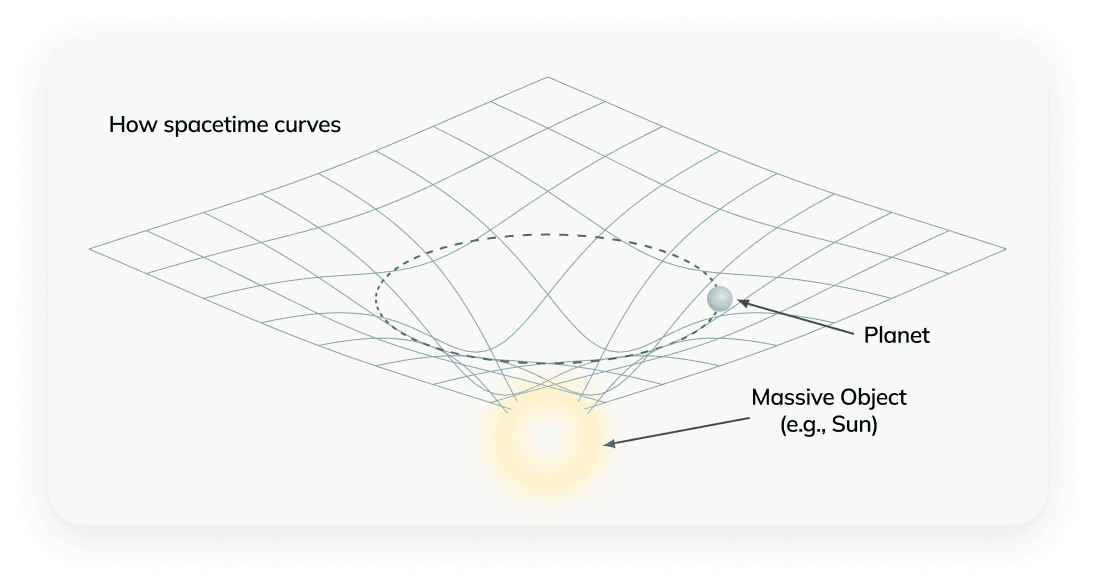
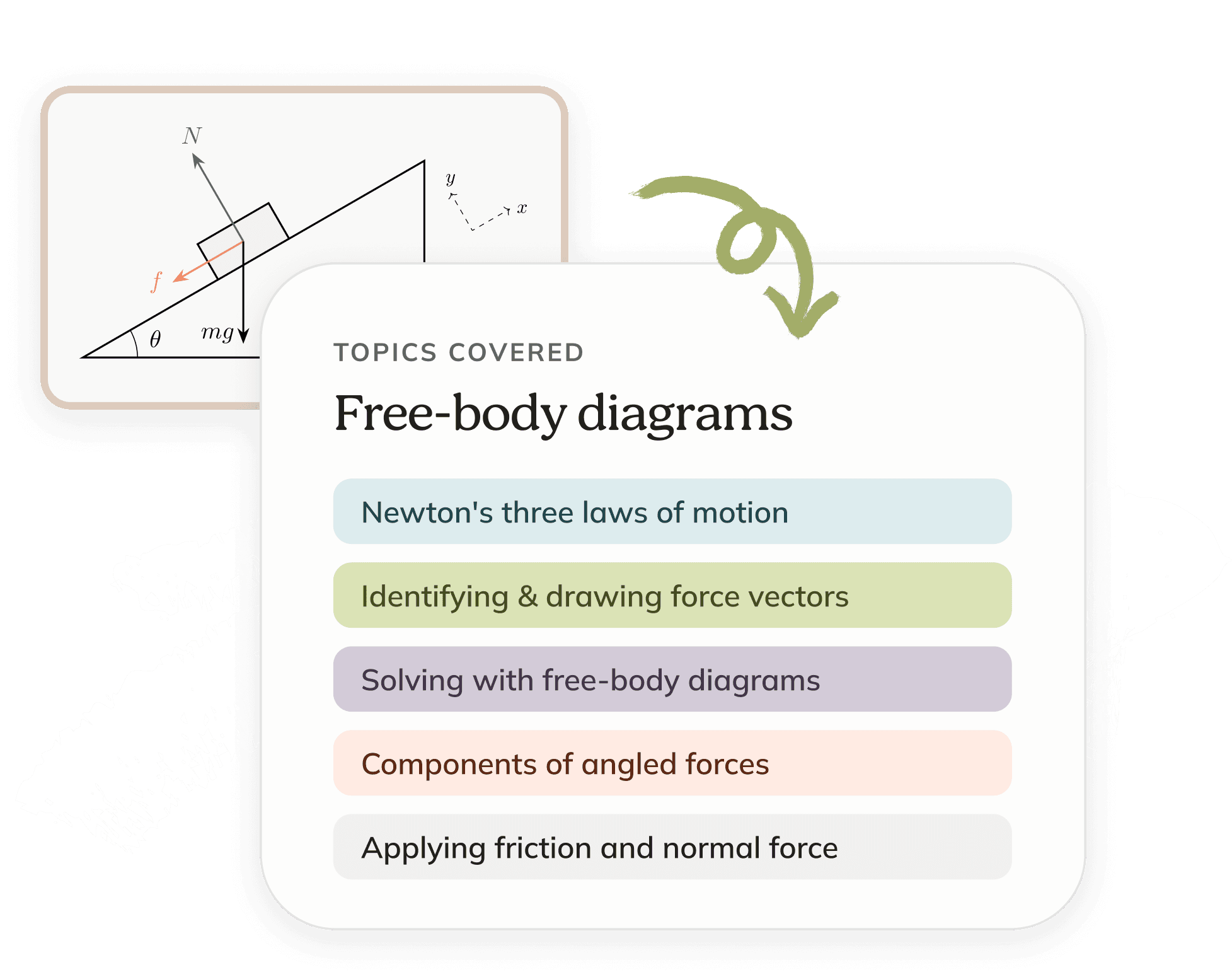
Aristotle draws steps, diagrams, and images to help you learn visually.
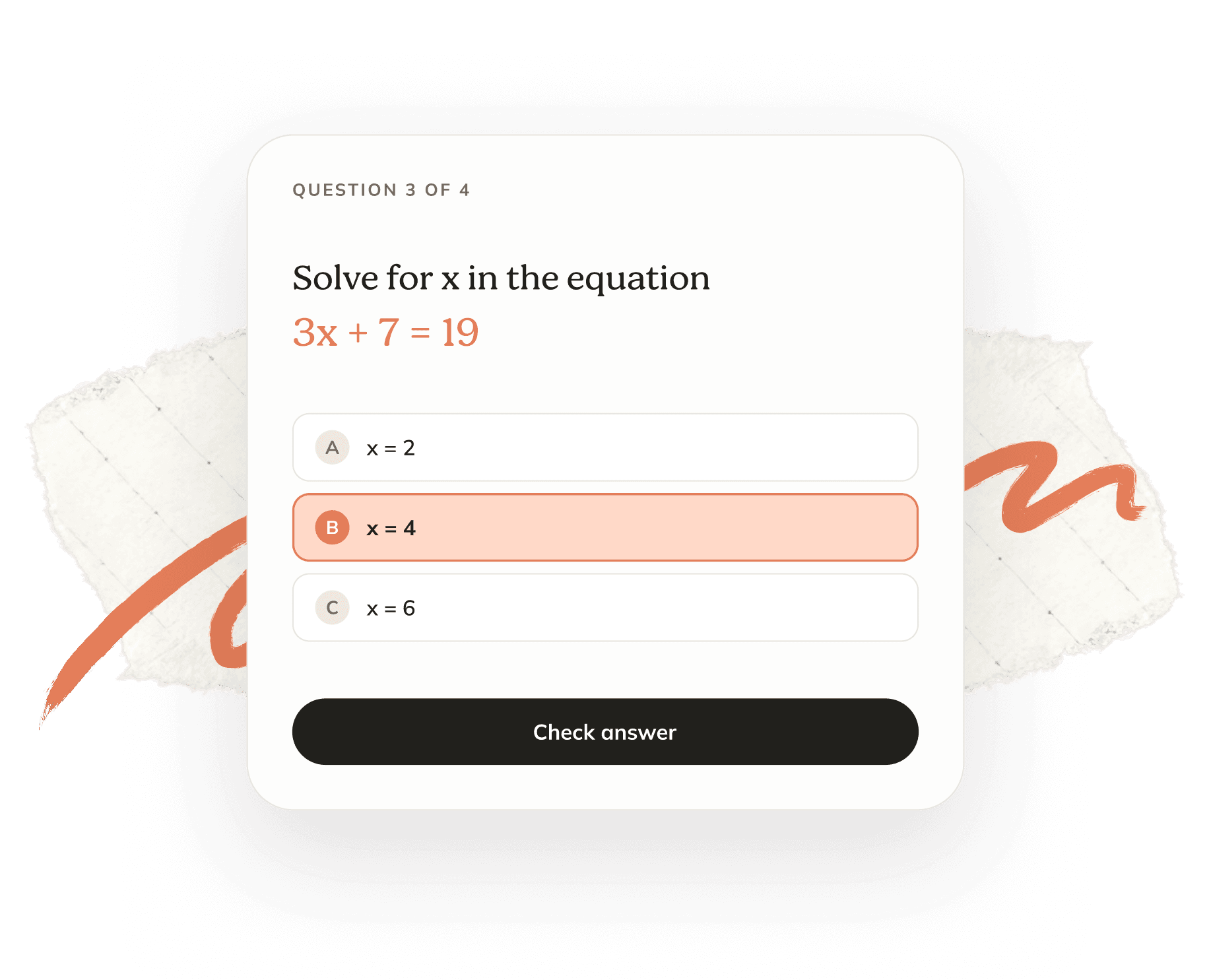
Get practice problems tailored to the exact topics you’re struggling with.
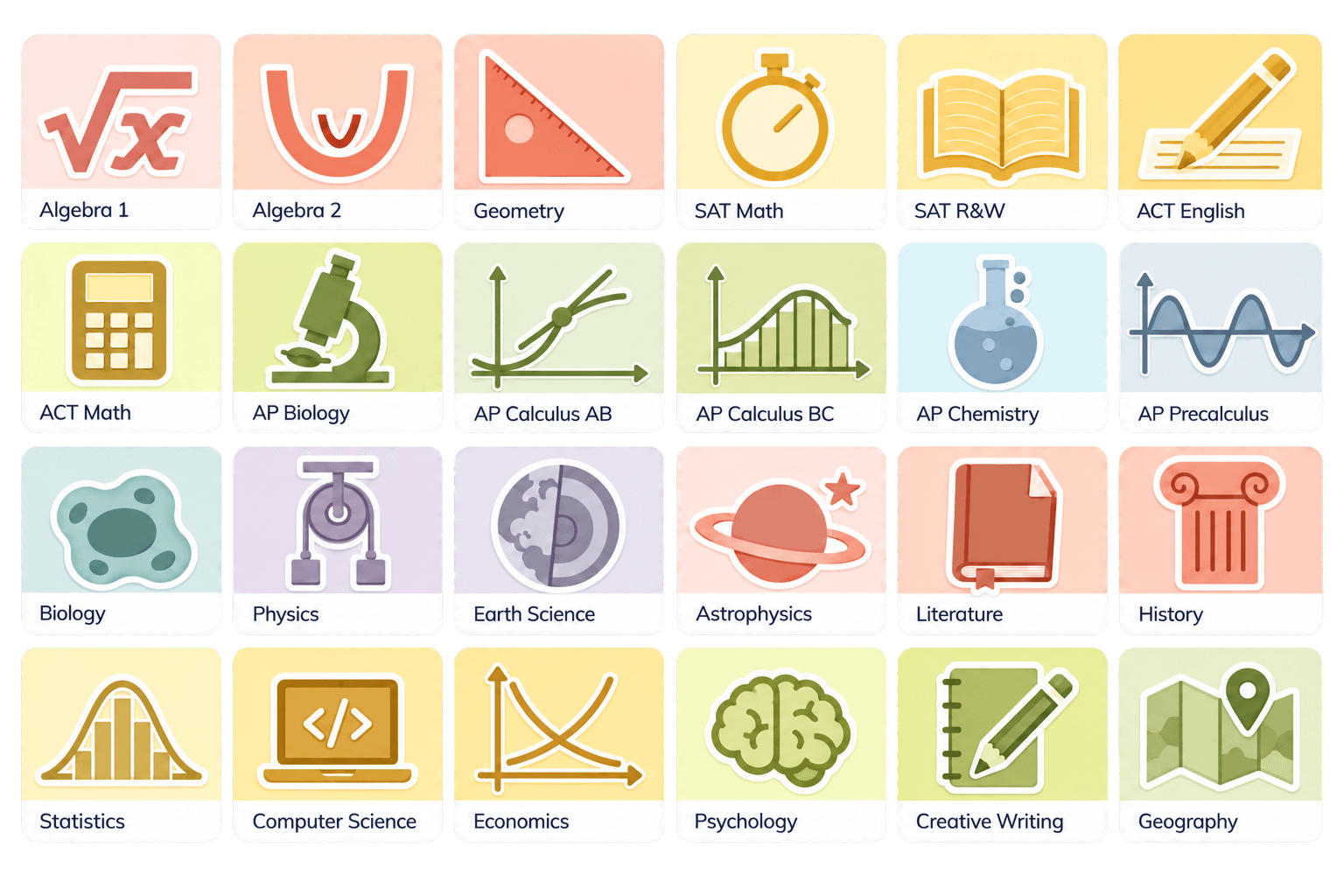
From middle-school math to AP exams to SAT/ACT prep. We also build custom plans matched to state standards and specific courses.
Revisit session summaries, session whiteboards, and uploads in one place.
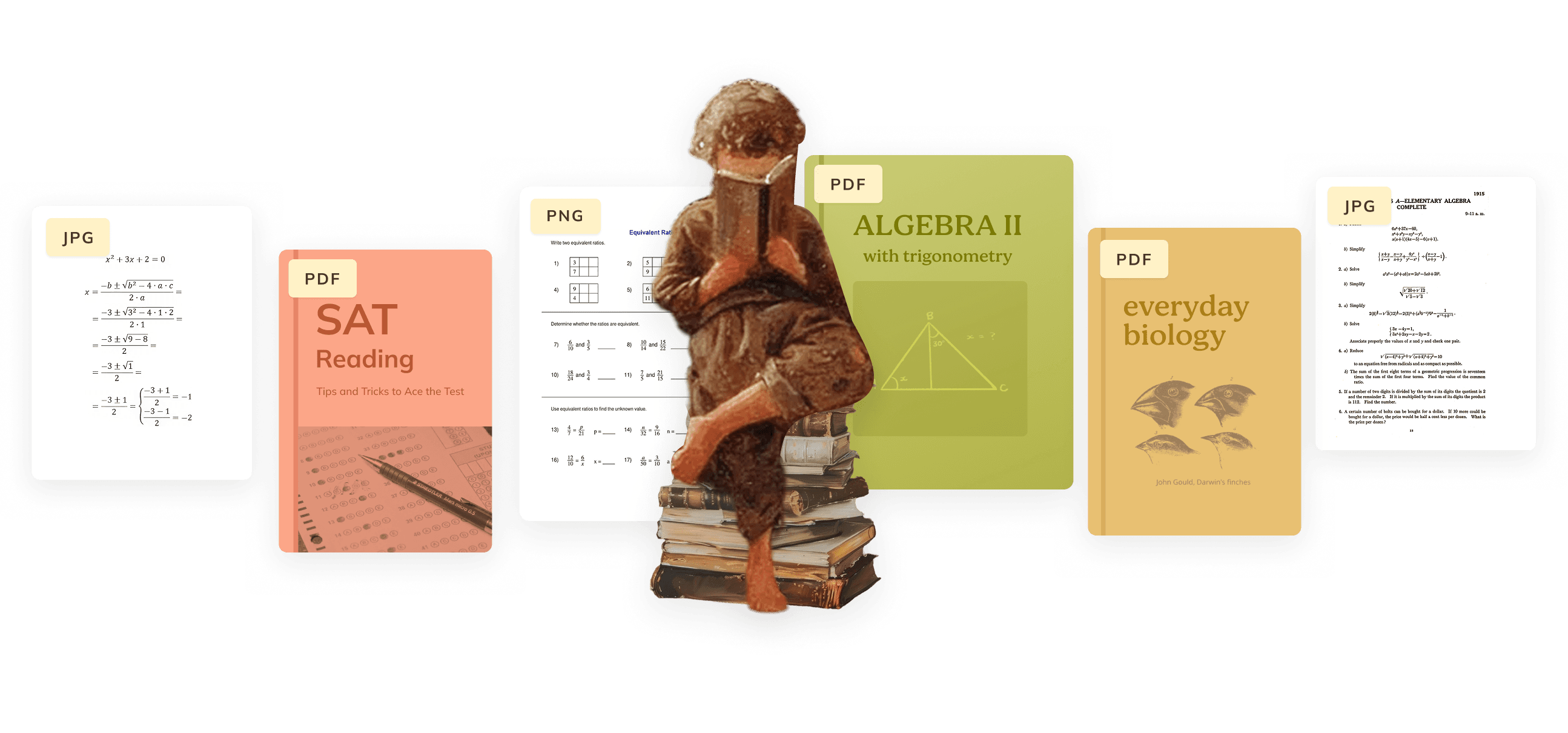
Aristotle can read and navigate any PDFs and images with the learner. That includes textbooks with hundreds of pages!
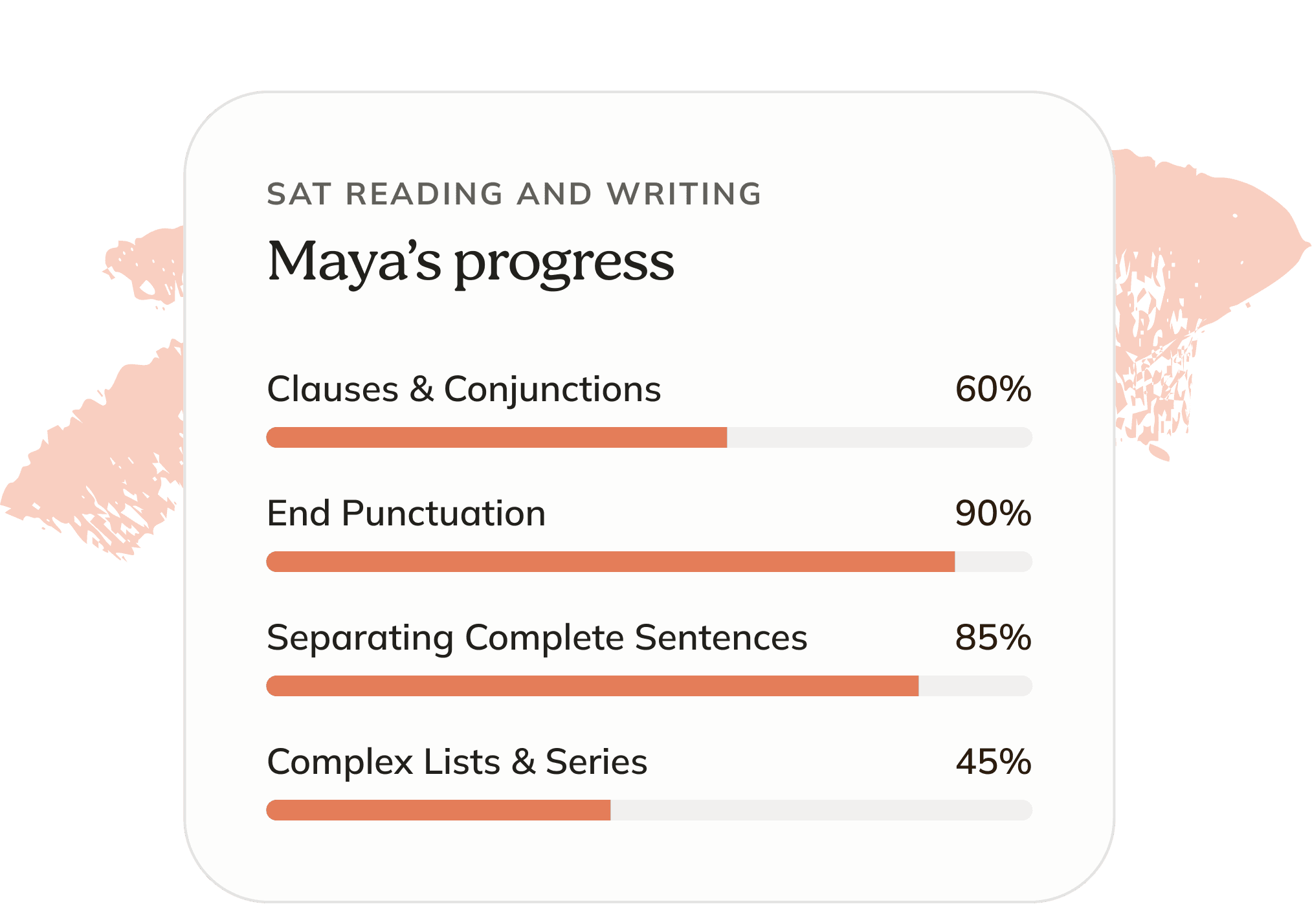
We break all subjects down into granular skills, then track mistakes and mastery on each one. Parents can see the whole picture at a glance.
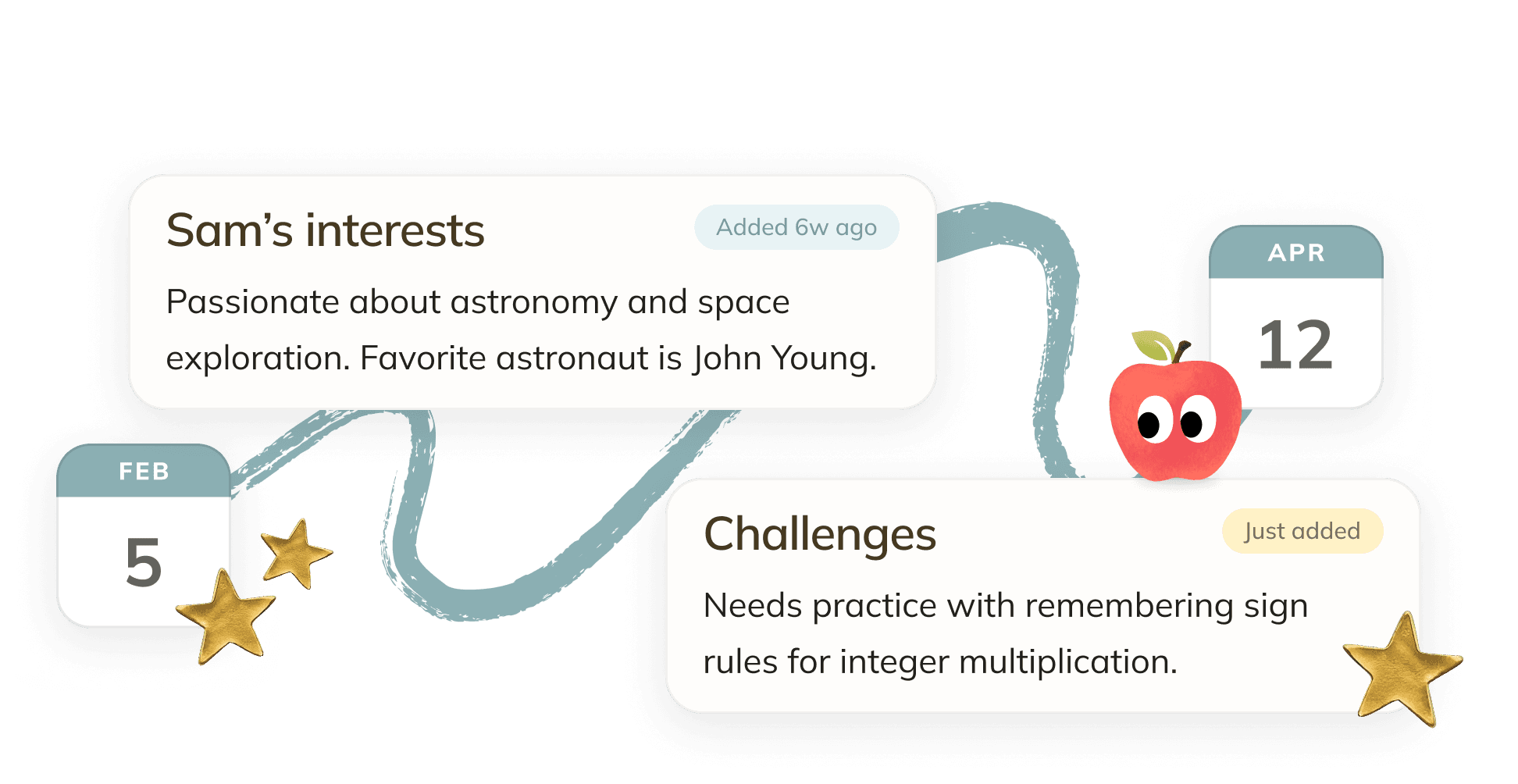
Aristotle remembers every session: what you’ve covered, where you got stuck, how you like things explained. It picks up right where you left off.
The curriculum
Aristotle is designed to always know what to teach at exactly the right time.
Sample curriculum
+ 7 more science subjects available
* Click a topic to see the skills inside
Structure, Bonding, and Representations
Acids, Bases, and Electronic Effects
Isomerism, Conformation, and Stereochemistry
Mechanisms, Energy, and Reaction Strategy
Alkanes, Cycloalkanes, and Radical Chemistry
Alkenes and Alkynes
Substitution and Elimination
Spectroscopy and Structure Determination
Conjugation and Aromaticity
Aromatic Reactions
Alcohols, Phenols, Ethers, Epoxides, and Sulfur Compounds
Aldehydes and Ketones: Carbonyl Addition
Carboxylic Acids and Derivatives: Acyl Substitution
Enols, Enolates, and Condensations
Amines and Heterocycles
Multistep Synthesis and Retrosynthesis
Bioorganic Molecules and Materials
Organic Chemistry tutoring curriculum205 skills across 17 units
Structure, Bonding, and Representations
Drawing, bonding, charge, resonance, orbital, and functional-group language for organic molecules. Topics: Organic Representations, Bonding and Hybridization, Formal Charge and Resonance, Functional Groups.
Acids, Bases, and Electronic Effects
Reusable pKa, nucleophile/electrophile, induction, resonance, and noncovalent reasoning. Topics: Acid-Base Reasoning, Electronic Effects, Nucleophiles and Electrophiles, Intermolecular Forces.
Isomerism, Conformation, and Stereochemistry
Constitutional isomers, conformations, cyclohexanes, chirality, stereochemical labels, and stereoisomer relationships. Topics: Constitutional Isomerism and Nomenclature, Conformational Analysis, Configuration Labels, Stereoisomer Relationships.
Mechanisms, Energy, and Reaction Strategy
Curved-arrow electron flow, intermediates, energy profiles, rate laws, selectivity, and reaction-category reasoning. Topics: Curved-Arrow Mechanisms, Reaction Energy and Rates, Selectivity and Rearrangements, Reaction Strategy.
Alkanes, Cycloalkanes, and Radical Chemistry
Saturated hydrocarbons, strain, combustion, radical halogenation, and radical mechanisms. Topics: Alkanes and Cycloalkanes, Radical Reactions.
Alkenes and Alkynes
Pi-bond structure, addition selectivity, synthesis, reduction, oxidation, and cleavage. Topics: Alkene Addition Reactions, Alkyne Reactions, Pi-Bond Synthesis and Strategy.
Substitution and Elimination
Alkyl halide reactions, SN1/SN2/E1/E2 mechanisms, substrate/reagent/solvent effects, and competition. Topics: SN2 Reactions, SN1 Reactions, E1 and E2 Reactions, Substitution-Elimination Competition.
Spectroscopy and Structure Determination
Mass spectrometry, IR, NMR, UV-visible patterns, and combined structure-elucidation problems. Topics: Mass Spectrometry, Infrared Spectroscopy, NMR Spectroscopy, Combined Structure Determination.
Conjugation and Aromaticity
Conjugated systems, diene reactivity, aromatic criteria, antiaromaticity, and heteroaromatic electron counting. Topics: Conjugated Systems, Aromaticity.
Aromatic Reactions
Electrophilic and nucleophilic aromatic substitution, directing effects, benzylic chemistry, and aromatic synthesis. Topics: Electrophilic Aromatic Substitution, Aromatic Synthesis.
Alcohols, Phenols, Ethers, Epoxides, and Sulfur Compounds
Oxygen and sulfur functional groups, oxidation/reduction, substitution, protection, and epoxide chemistry. Topics: Alcohols and Phenols, Oxidation and Reduction, Ethers and Epoxides, Sulfur Compounds and Protecting Groups.
Aldehydes and Ketones: Carbonyl Addition
Carbonyl polarity, aldehyde and ketone nomenclature, nucleophilic addition, hydride, organometallic, and derivative-forming reactions. Topics: Carbonyl Structure and Reactivity, Aldehyde and Ketone Additions.
Carboxylic Acids and Derivatives: Acyl Substitution
Carboxylic acids, nitriles, acid derivatives, reactivity order, interconversion, reductions, and addition-elimination mechanisms. Topics: Carboxylic Acids and Nitriles, Nucleophilic Acyl Substitution.
Enols, Enolates, and Condensations
Alpha acidity, enolate formation, alpha substitution, aldol and Claisen chemistry, conjugate addition, and carbon-carbon bond synthesis. Topics: Enols and Enolates, Aldol Reactions, Claisen and Related Condensations, Conjugate Addition.
Amines and Heterocycles
Nitrogen functional groups, amine basicity, amine synthesis and reactions, diazonium chemistry, and heterocycle patterns. Topics: Amine Properties and Synthesis, Amine Reactions, Heterocycles.
Multistep Synthesis and Retrosynthesis
Multistep synthesis planning, reagent choice, functional-group interconversion, protecting groups, route comparison, and strategy. Topics: Multistep Synthesis and Retrosynthesis.
Bioorganic Molecules and Materials
Bioorganic molecules and materials: the structures and characteristic reactions of carbohydrates, amino acids, peptides and proteins, lipids, and nucleic acids; the orbital-symmetry treatment of pericyclic reactions (cycloadditions, electrocyclizations, and sigmatropic rearrangements) that builds on the conjugation and Diels-Alder work; and the formation, classification, and structure-property relationships of synthetic polymers. Topics: Biomolecules, Pericyclic Reactions, Polymers and Materials.
My son told me yesterday that we should cancel his human tutor, because Aristotle is doing a better job. The human tutor was $250/hour.

A few things you might wonder before getting started.
Aristotle covers the full two-semester organic chemistry sequence: 205 individually tracked skills across 52 topics. That includes structure and bonding, acids and bases, stereochemistry, reaction mechanisms, substitution and elimination, alkene and alkyne reactions, spectroscopy, aromaticity, carbonyl chemistry, enolates, amines, and multistep synthesis. Because every skill is tracked, the tutor always knows what you have mastered and what to teach next.
Check out our most recent blog posts.

This could be you
For homework, supporting your child, or anything you’ve always wanted to know more about, Aristotle makes it easy for anyone to learn out loud.