NGSS and AP standards
High school Biology skills are aligned to NGSS standards and AP Biology to the College Board framework, so tutoring matches what your child is graded on.

High school & AP
Pioneered by Stanford AI researchers and learning scientists, Aristotle is the world's first voice-based AI biology tutor. From high school biology through AP Biology, Aristotle has improved thousands of grades over 22% within a week.
Trusted by families at











Fits your child's biology class
High school Biology skills are aligned to NGSS standards and AP Biology to the College Board framework, so tutoring matches what your child is graded on.
Share the syllabus or textbook and sessions follow your child's actual class, whether that's public, private, or homeschool.
Working toward the AP exam, a placement test, or getting a grade up? Aristotle builds the path backwards from your goal.
Features
Talk things through, work side by side, and come back next time to a tutor who remembers where you left off.
Ask questions out loud, hear explanations in Aristotle’s voice, and interrupt whenever you need to.
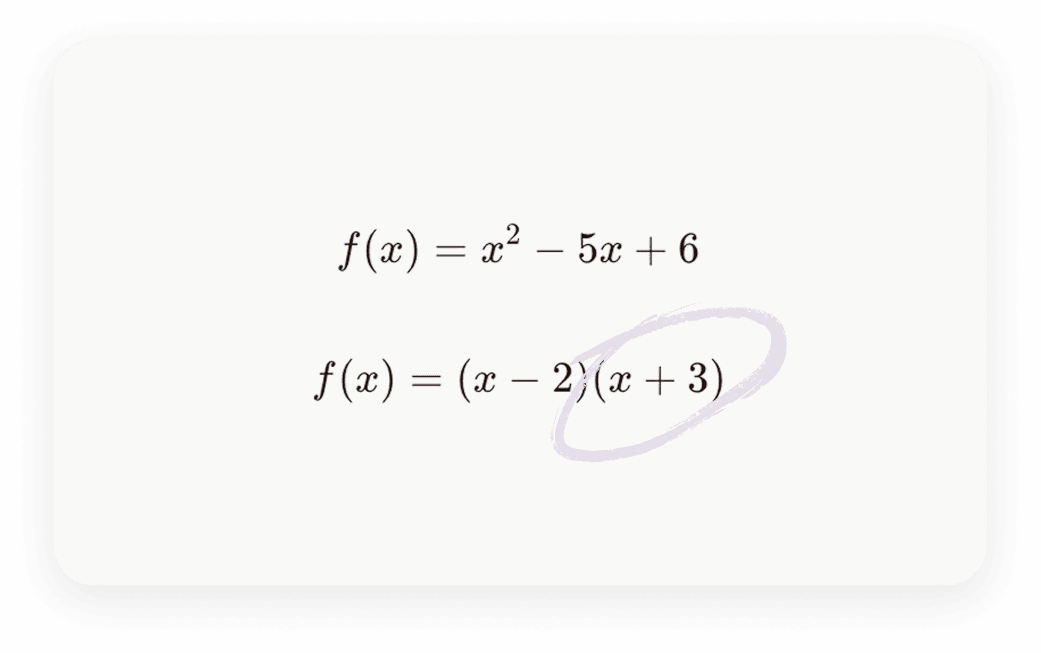
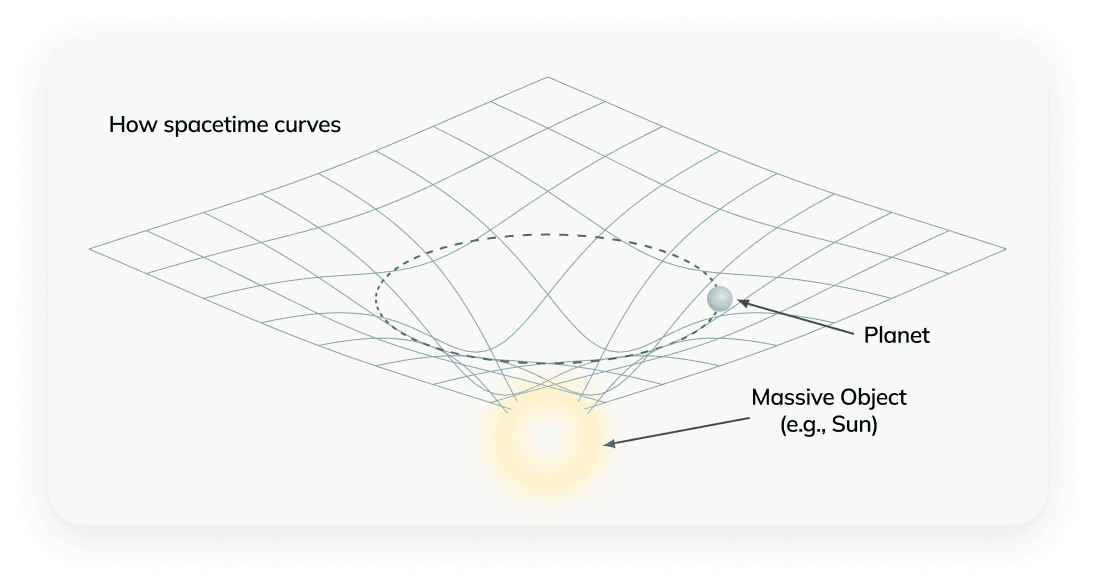
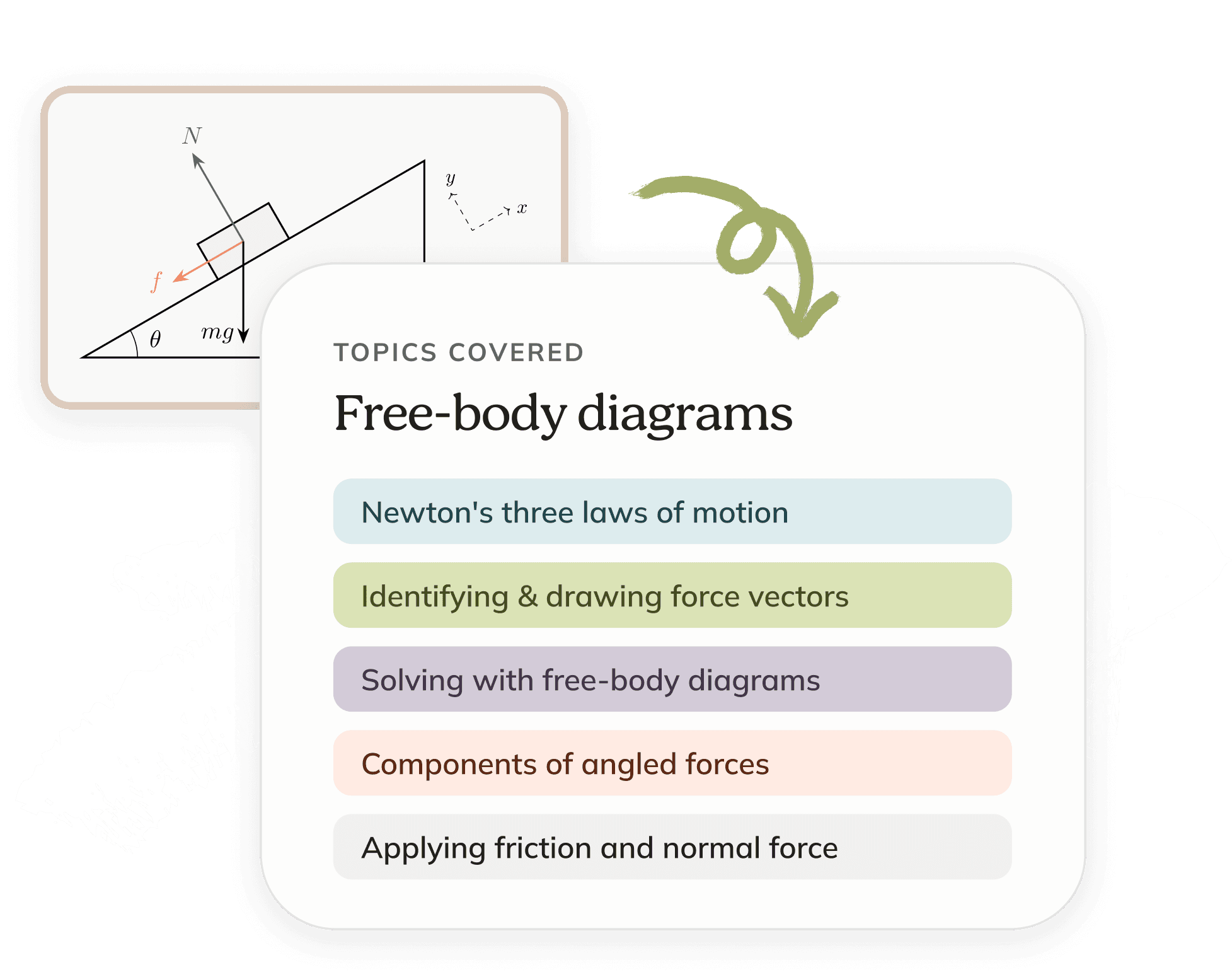
Aristotle draws steps, diagrams, and images to help you learn visually.
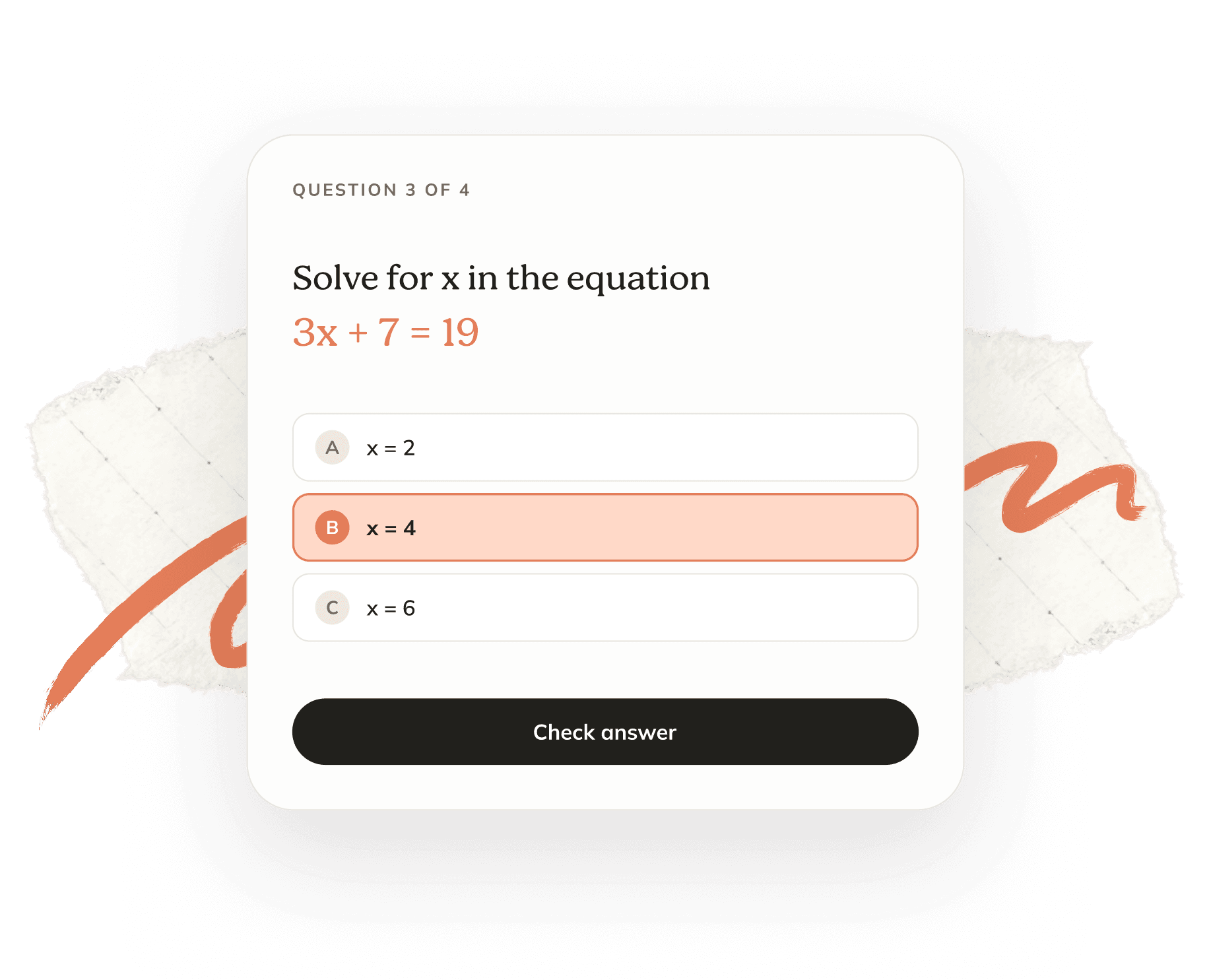
Get practice problems tailored to the exact topics you’re struggling with.
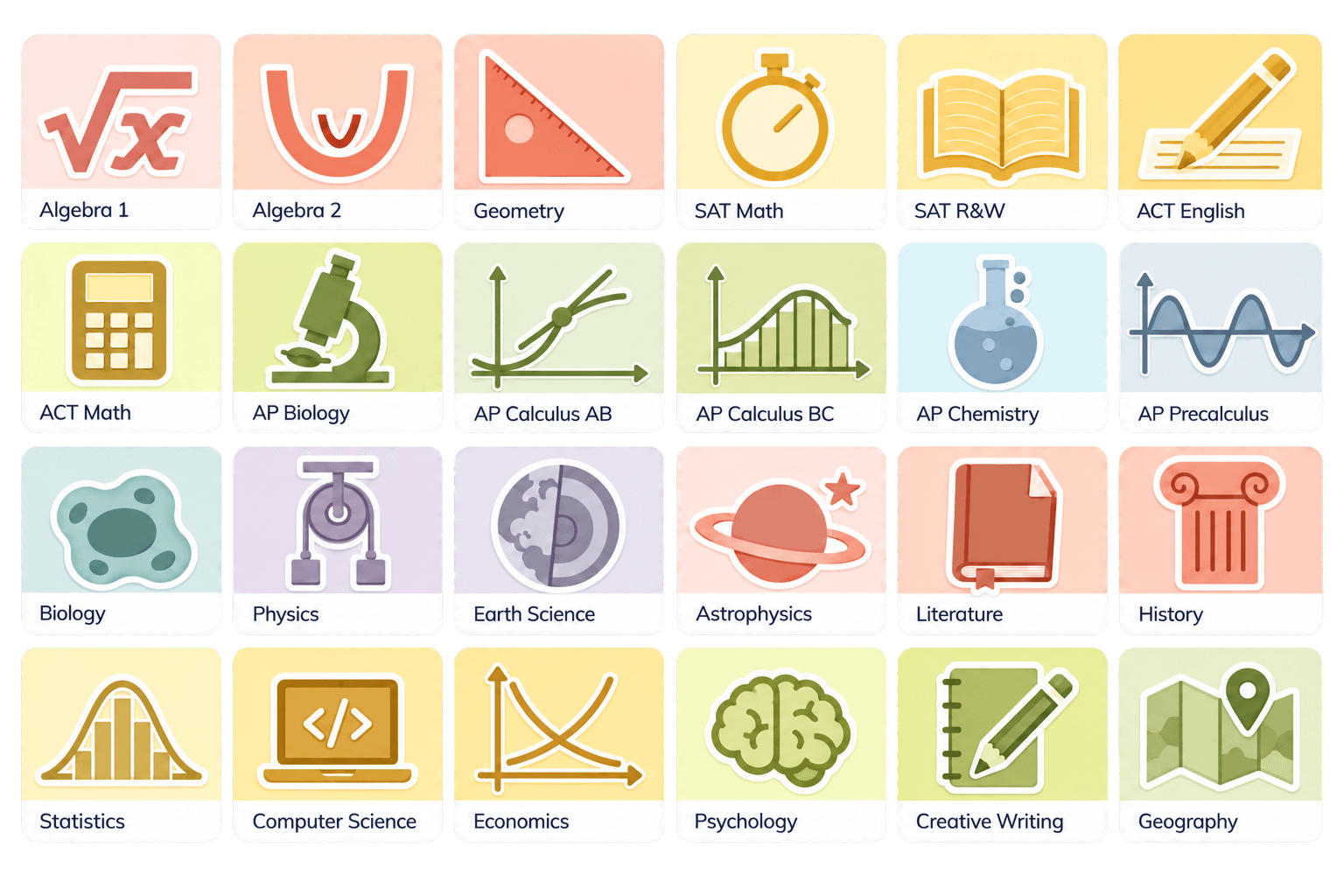
From middle-school math to AP exams to SAT/ACT prep. We also build custom plans matched to state standards and specific courses.
Revisit session summaries, session whiteboards, and uploads in one place.
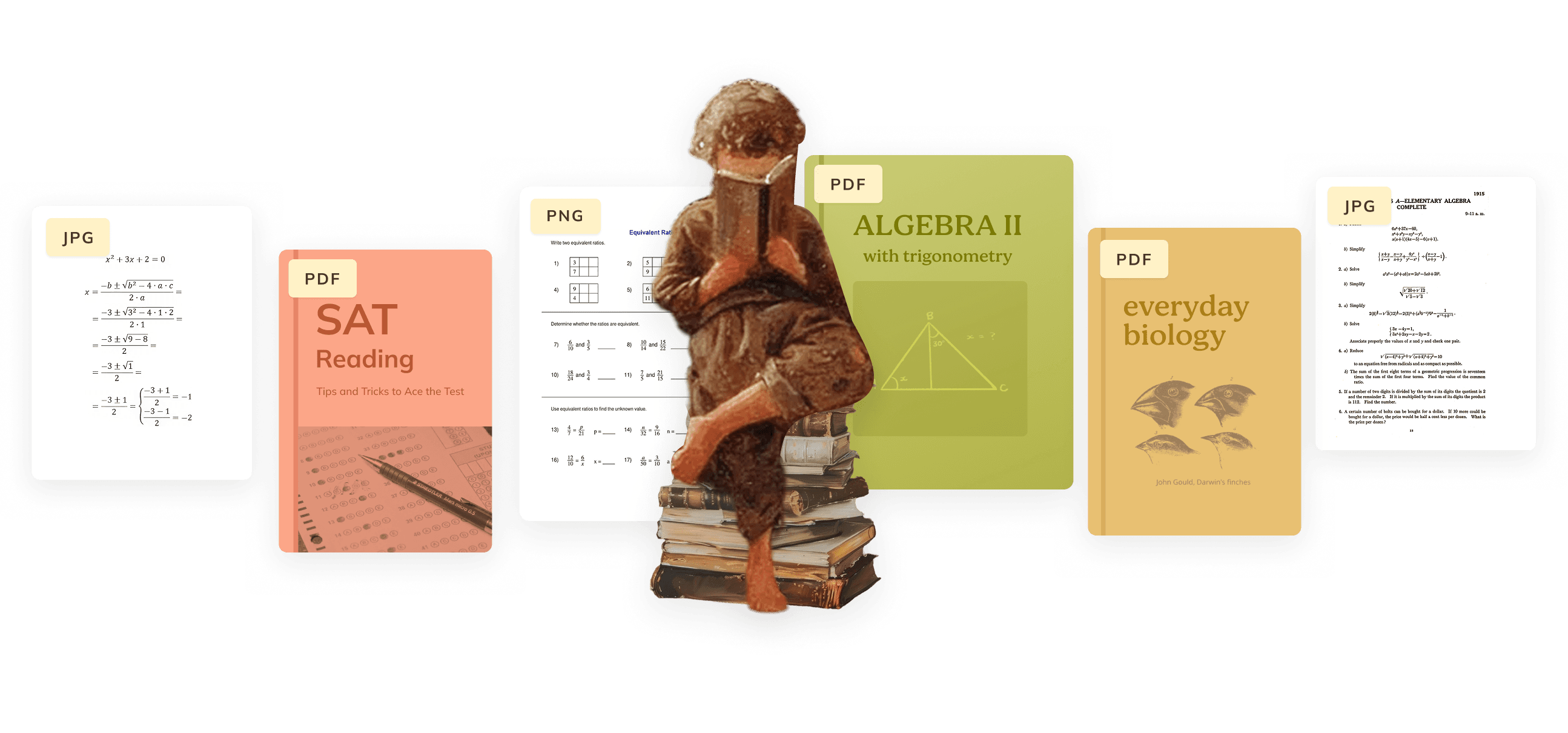
Aristotle can read and navigate any PDFs and images with the learner. That includes textbooks with hundreds of pages!
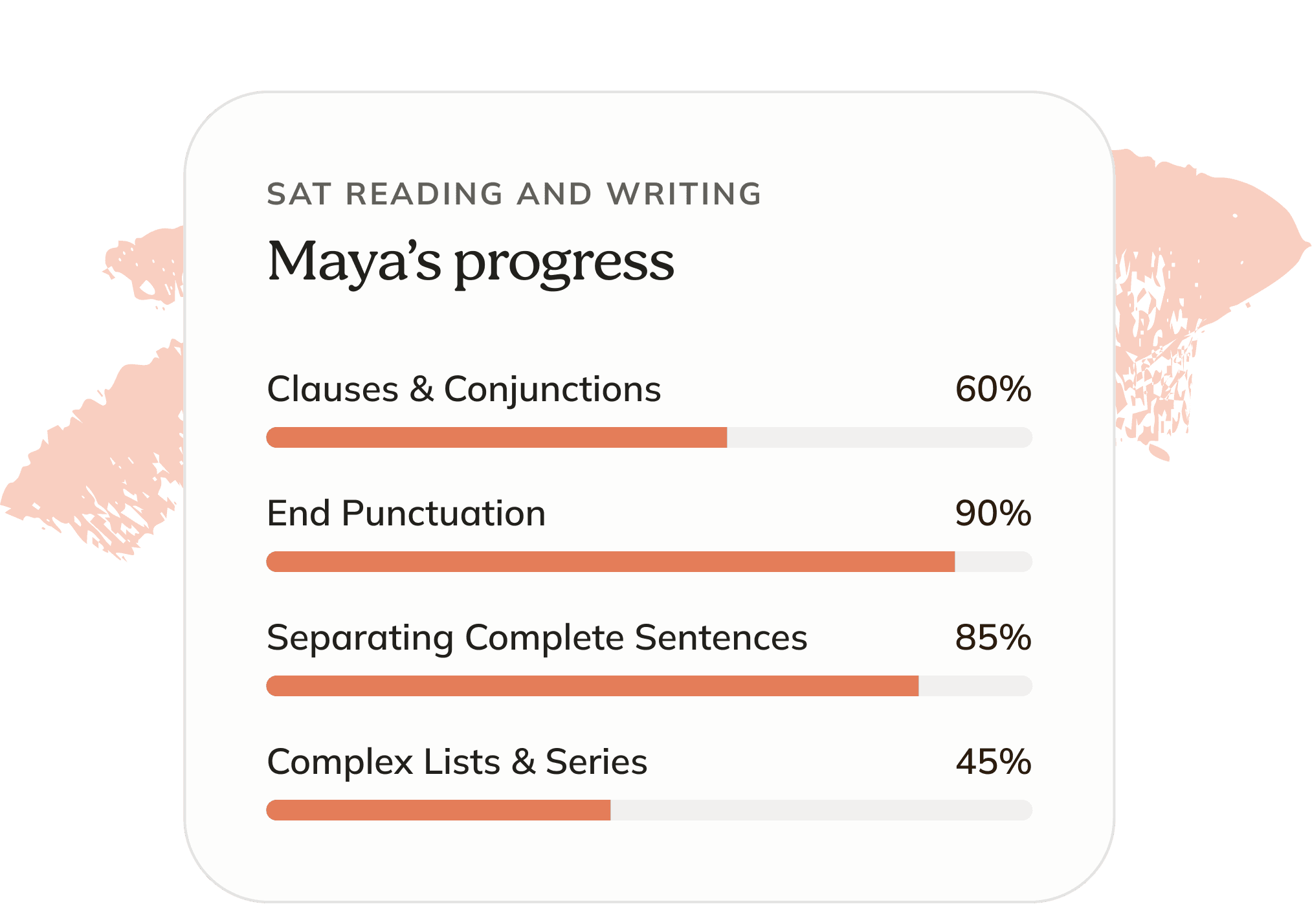
We break all subjects down into granular skills, then track mistakes and mastery on each one. Parents can see the whole picture at a glance.
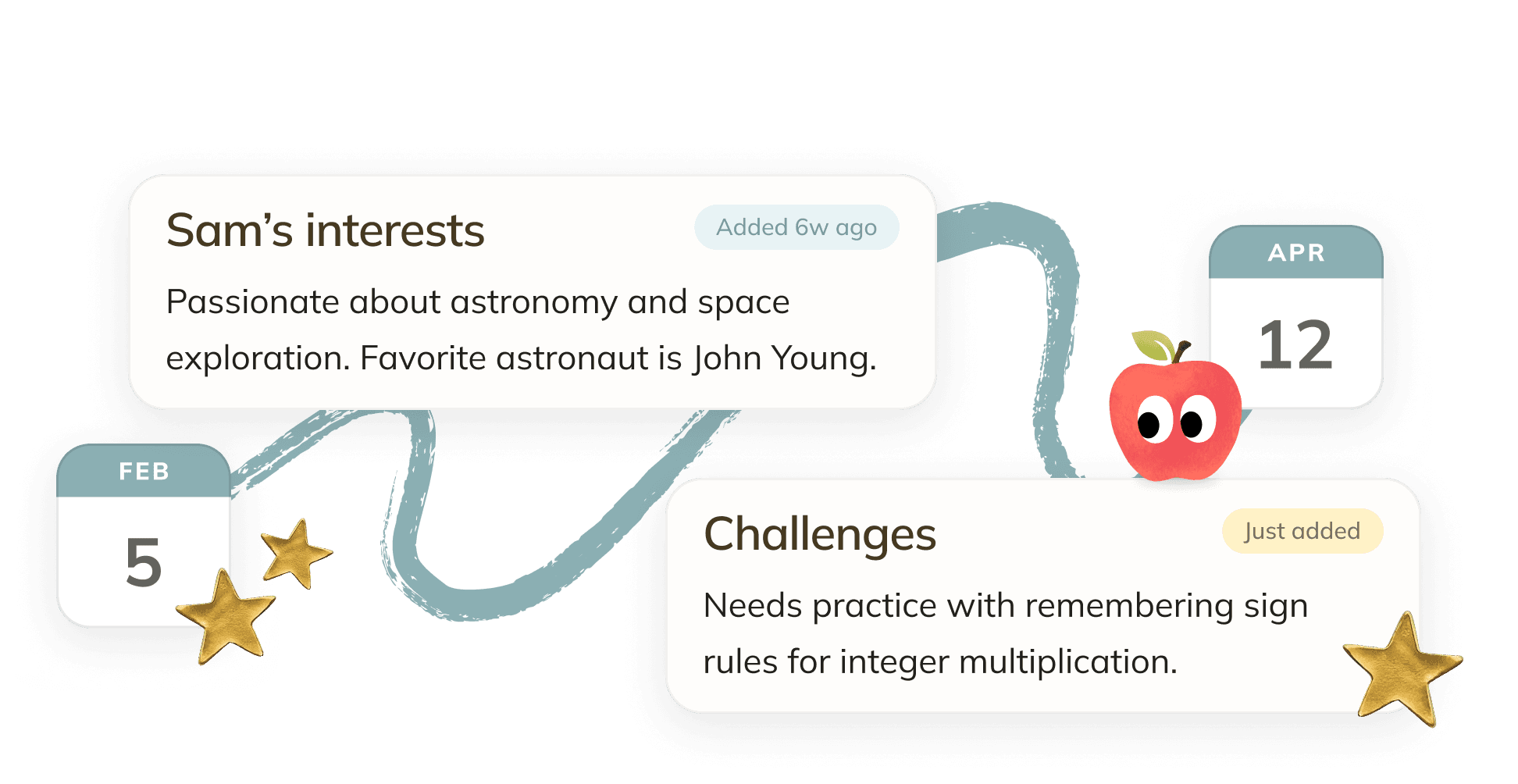
Aristotle remembers every session: what you’ve covered, where you got stuck, how you like things explained. It picks up right where you left off.
The curriculum
Aristotle is designed to always know what to teach at exactly the right time.
Sample curriculum
+ 6 more science subjects available
* Click a topic to see the skills inside
Foundations of Biology
Chemistry of Life
Cells & Cell Transport
Cellular Energetics
Cell Division & Reproduction
Molecular Genetics
Heredity
Evolution & Classification
Body Systems & Homeostasis
Ecology
Human Impact & Sustainability
Biology tutoring curriculum120 skills across 11 units
Foundations of Biology
A diagnostic on-ramp covering the inquiry and data skills every later unit assumes: experimental design, graph reading, the characteristics of life, and the levels of biological organization. Topics: Scientific Method & Experimental Design, Data & Graph Interpretation, Characteristics of Life & Levels of Organization, Measurement & Microscopy.
Chemistry of Life
The chemical basis of living systems: water's life-supporting properties, the four macromolecule families, and enzymes as catalysts. Topics: Water, Bonds & pH, Macromolecules, Enzymes & Catalysis.
Cells & Cell Transport
The cell as the structural and functional unit of life: cell theory, prokaryote/eukaryote and plant/animal structure, organelle function, and membrane transport. Topics: Cell Theory & Cell Types, Organelles & Cell Structure, Membrane Structure & Transport, Cell Specialization & Organization.
Cellular Energetics
Energy and matter transformation in cells: ATP, photosynthesis, cellular respiration, and tracing reactants and products through these pathways. Topics: ATP & Energy Flow, Photosynthesis, Cellular Respiration & Fermentation, Comparing & Connecting the Pathways.
Cell Division & Reproduction
The causal bridge from cells to genetics: the cell cycle and its regulation, mitosis, meiosis, and the genetic variation meiosis creates. Topics: Cell Cycle & Regulation, Mitosis, Meiosis & Genetic Variation, Sexual vs. Asexual Reproduction.
Molecular Genetics
The molecular information mechanism of life: DNA structure and replication, transcription and translation, mutations, gene regulation, and biotechnology. Topics: DNA Structure & Replication, Transcription & Translation, Mutations, Gene Regulation, Biotechnology & Genetic Engineering.
Heredity
Transmission and probability of traits across generations: Mendelian crosses, Punnett-square probability, non-Mendelian patterns, sex linkage, and pedigrees. Topics: Mendelian Inheritance & Crosses, Probability & Punnett Squares, Non-Mendelian Inheritance, Sex Linkage & Pedigrees.
Evolution & Classification
The unifying theory of biology: natural selection and adaptation, evidence for common ancestry, speciation, and phylogenetic classification. Topics: Natural Selection & Adaptation, Evidence for Evolution, Speciation & Common Ancestry, Phylogeny & Classification, Survey of Biological Diversity.
Body Systems & Homeostasis
How organisms maintain dynamic equilibrium: homeostasis and feedback, immunity and disease, and representative regulated systems treated as feedback examples. Topics: Homeostasis & Feedback, Immunity, Disease & Pathogens, Nervous & Endocrine Regulation, Transport & Exchange Systems, Plant Structure & Physiology.
Ecology
Ecosystem-level matter and energy dynamics: energy flow and food webs, biogeochemical cycles, population and community dynamics, and ecosystem stability. Topics: Energy Flow & Food Webs, Biogeochemical Cycles, Population Dynamics & Carrying Capacity, Community Interactions & Succession, Ecosystem Stability & Biodiversity.
Human Impact & Sustainability
Human effects on the living world: ecosystem disruption, biodiversity loss, climate change, and conservation, plus a claim-evidence-reasoning argumentation strand that builds an evidence-based argument from impact data. Topics: Human Impact on Ecosystems, Biodiversity & Conservation, Climate Change & Sustainability.
AP Biology tutoring curriculum205 skills across 8 units
Chemistry of Life
AP Exam weighting: 8-11%. Topics: Structure of Water and Hydrogen Bonding, Elements of Life, Introduction to Macromolecules, Carbohydrates, Lipids, Nucleic Acids, Proteins.
Cells
AP Exam weighting: 10-13%. Topics: Cell Structure and Function, Cell Size, Plasma Membrane, Membrane Permeability, Membrane Transport, Facilitated Diffusion, Tonicity and Osmoregulation, Mechanisms of Transport, Cell Compartmentalization, Origins of Cell Compartmentalization.
Cellular Energetics
AP Exam weighting: 12-16%. Topics: Enzymes, Environmental Impacts on Enzyme Function, Cellular Energy, Photosynthesis, Cellular Respiration.
Cell Communication and Cell Cycle
AP Exam weighting: 10-15%. Topics: Cell Communication, Introduction to Signal Transduction, Signal Transduction Pathways, Feedback, Cell Cycle, Regulation of Cell Cycle.
Heredity
AP Exam weighting: 8-11%. Topics: Meiosis, Meiosis and Genetic Diversity, Mendelian Genetics, Non-Mendelian Genetics, Environmental Effects on Phenotype.
Gene Expression and Regulation
AP Exam weighting: 12-16%. Topics: DNA and RNA Structure, DNA Replication, Transcription and RNA Processing, Translation, Regulation of Gene Expression, Gene Expression and Cell Specialization, Mutations, Biotechnology.
Natural Selection
AP Exam weighting: 13-20%. Topics: Introduction to Natural Selection, Natural Selection, Artificial Selection, Population Genetics, Hardy–Weinberg Equilibrium, Evidence of Evolution, Common Ancestry, Continuing Evolution, Phylogeny, Speciation, Variations in Populations, Origins of Life on Earth.
Ecology
AP Exam weighting: 10-15%. Topics: Responses to the Environment, Energy Flow Through Ecosystems, Population Ecology, Effect of Density on Populations, Community Ecology, Biodiversity, Disruptions in Ecosystems.
My son told me yesterday that we should cancel his human tutor, because Aristotle is doing a better job. The human tutor was $250/hour.

A few things you might wonder before getting started.
Aristotle covers high school Biology and AP Biology. High school Biology tracks 120 skills across 11 units, from the chemistry of life and cells through genetics, evolution, body systems, and ecology. AP Biology adds 205 more skills mapped to the College Board's eight units. Together that is over 320 biology skills, each one linked to its prerequisites, so the tutor always knows what your child has mastered and what comes next.
Check out our most recent blog posts.
This could be you
For homework, supporting your child, or anything you’ve always wanted to know more about, Aristotle makes it easy for anyone to learn out loud.