State standards
Earth science skills are aligned to the HS-ESS performance expectations in the New York State Science Learning Standards, so tutoring matches what your child is graded on.
Grades 8–12
Pioneered by Stanford AI researchers and learning scientists, Aristotle is the world's first voice-based AI earth science tutor. From plate tectonics through space systems, Aristotle has improved thousands of grades over 22% within a week.
Trusted by families at












Fits your child's earth science class
Earth science skills are aligned to the HS-ESS performance expectations in the New York State Science Learning Standards, so tutoring matches what your child is graded on.
Share the syllabus or textbook and sessions follow your child's actual class, whether that's public, private, or homeschool.
Working toward a final exam, a placement test, or getting a grade up? Aristotle builds the path backwards from your goal.
Features
Talk things through, work side by side, and come back next time to a tutor who remembers where you left off.
Ask questions out loud, hear explanations in Aristotle’s voice, and interrupt whenever you need to.
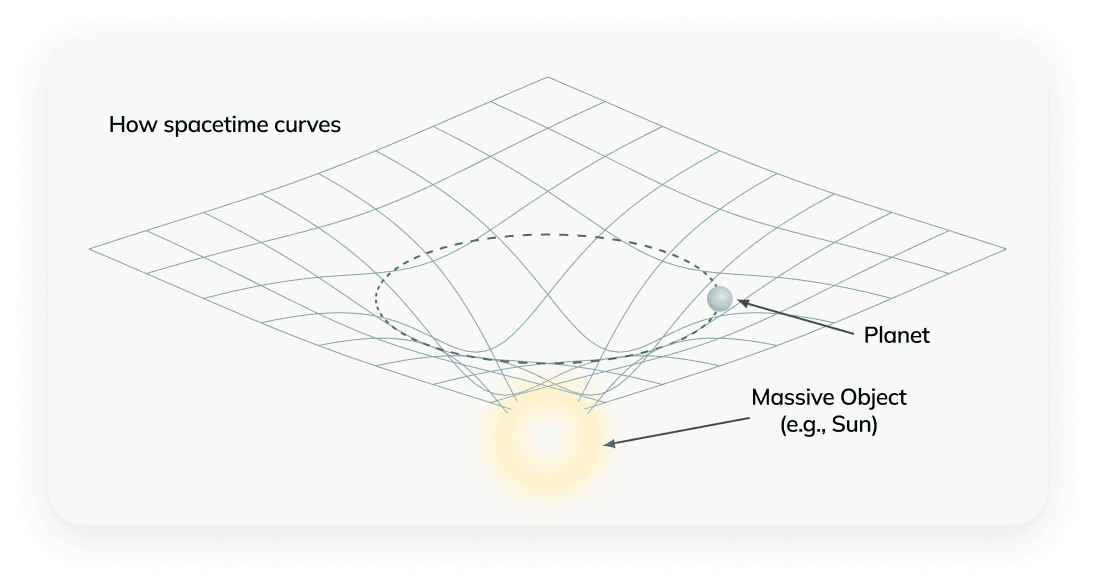
Aristotle draws steps, diagrams, and images to help you learn visually.
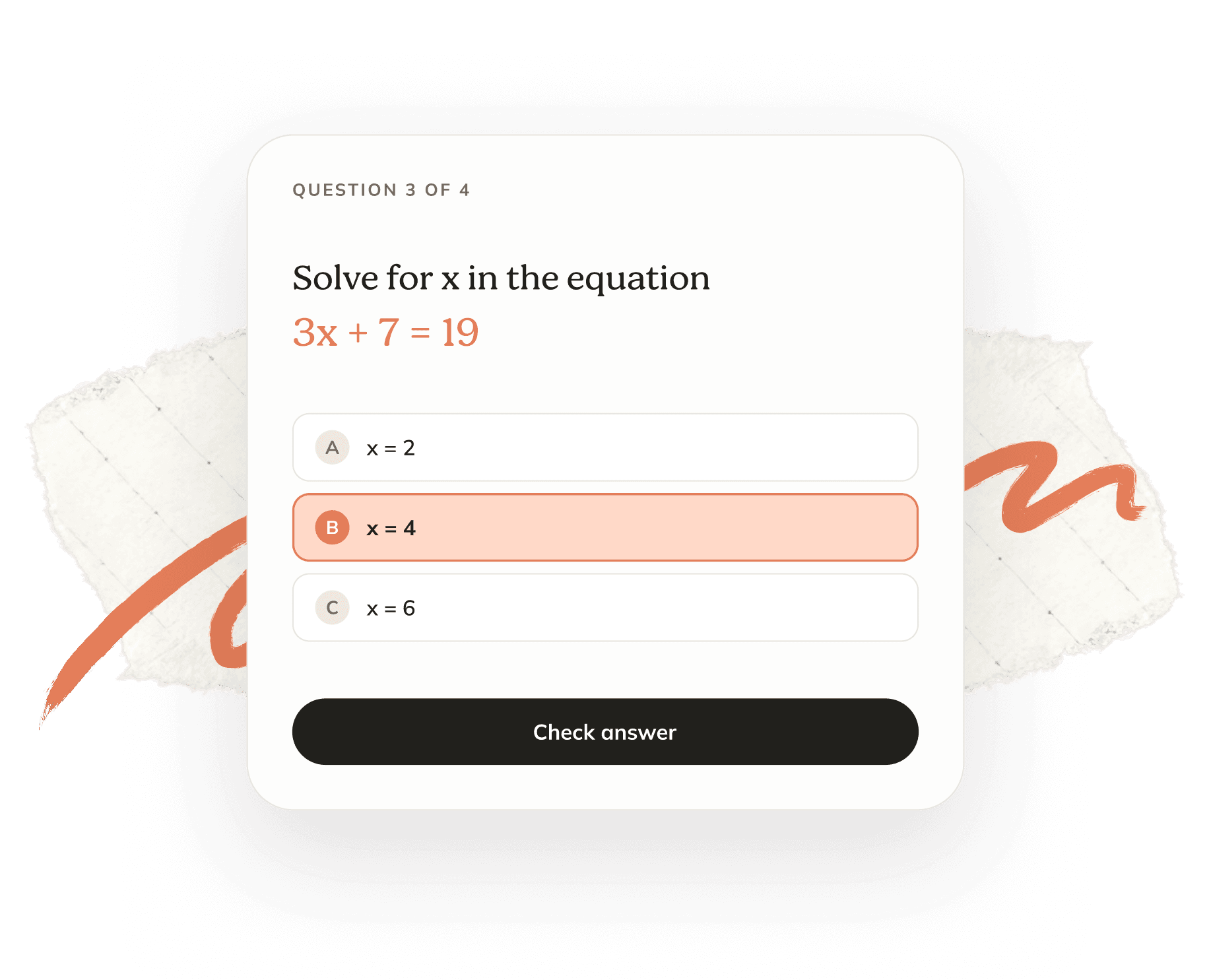
Get practice problems tailored to the exact topics you’re struggling with.
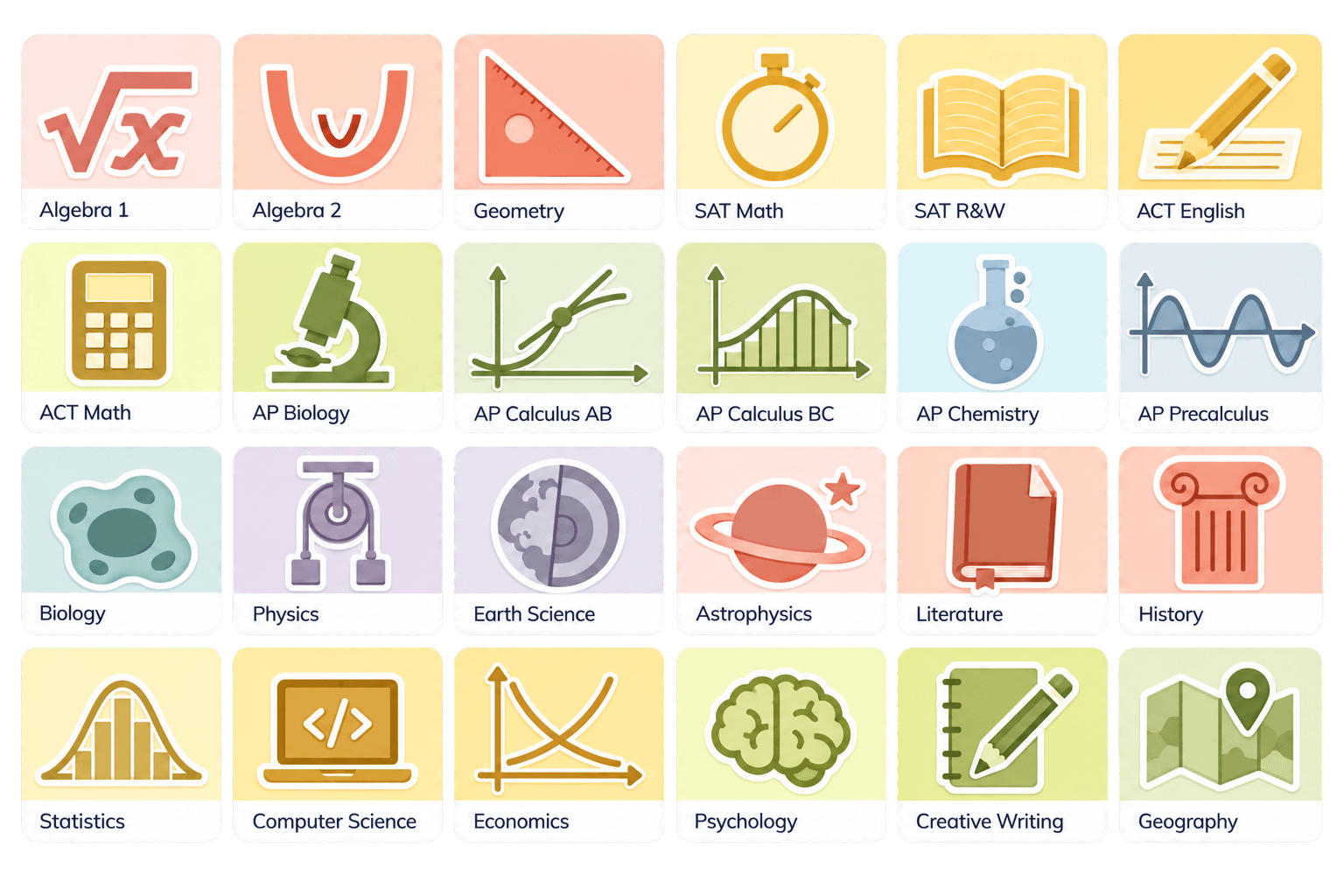
From middle-school math to AP exams to SAT/ACT prep. We also build custom plans matched to state standards and specific courses.
Revisit session summaries, session whiteboards, and uploads in one place.
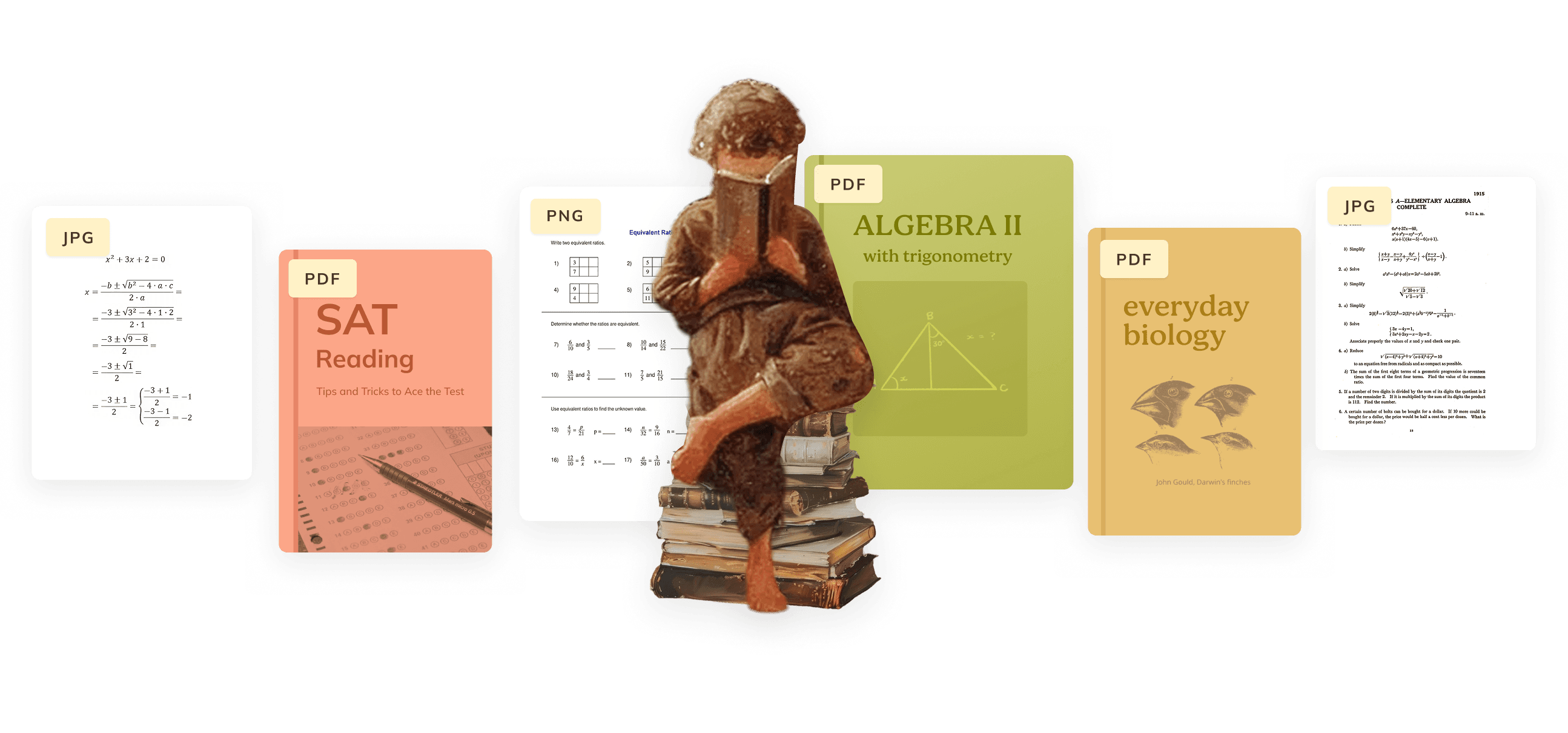
Aristotle can read and navigate any PDFs and images with the learner. That includes textbooks with hundreds of pages!
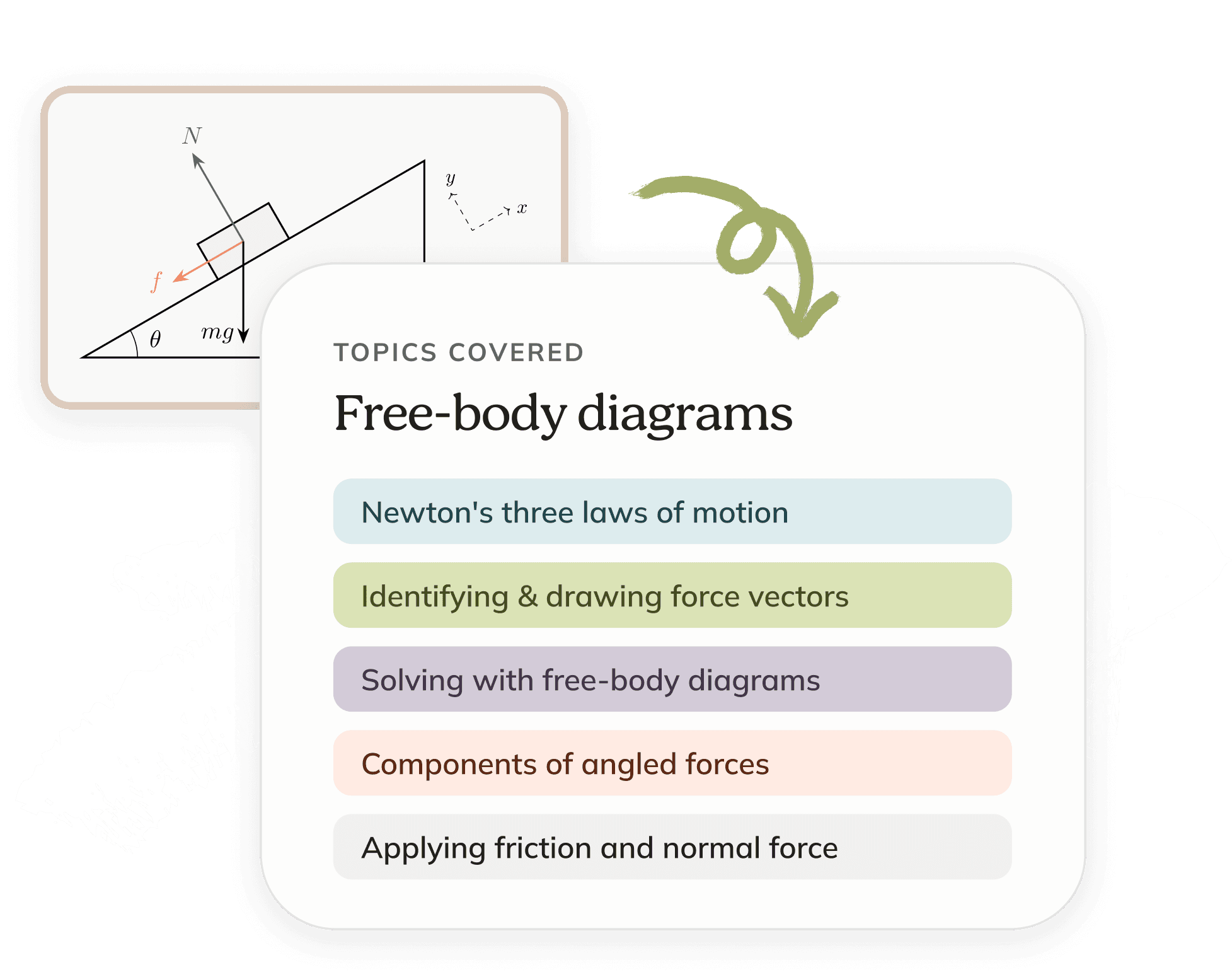
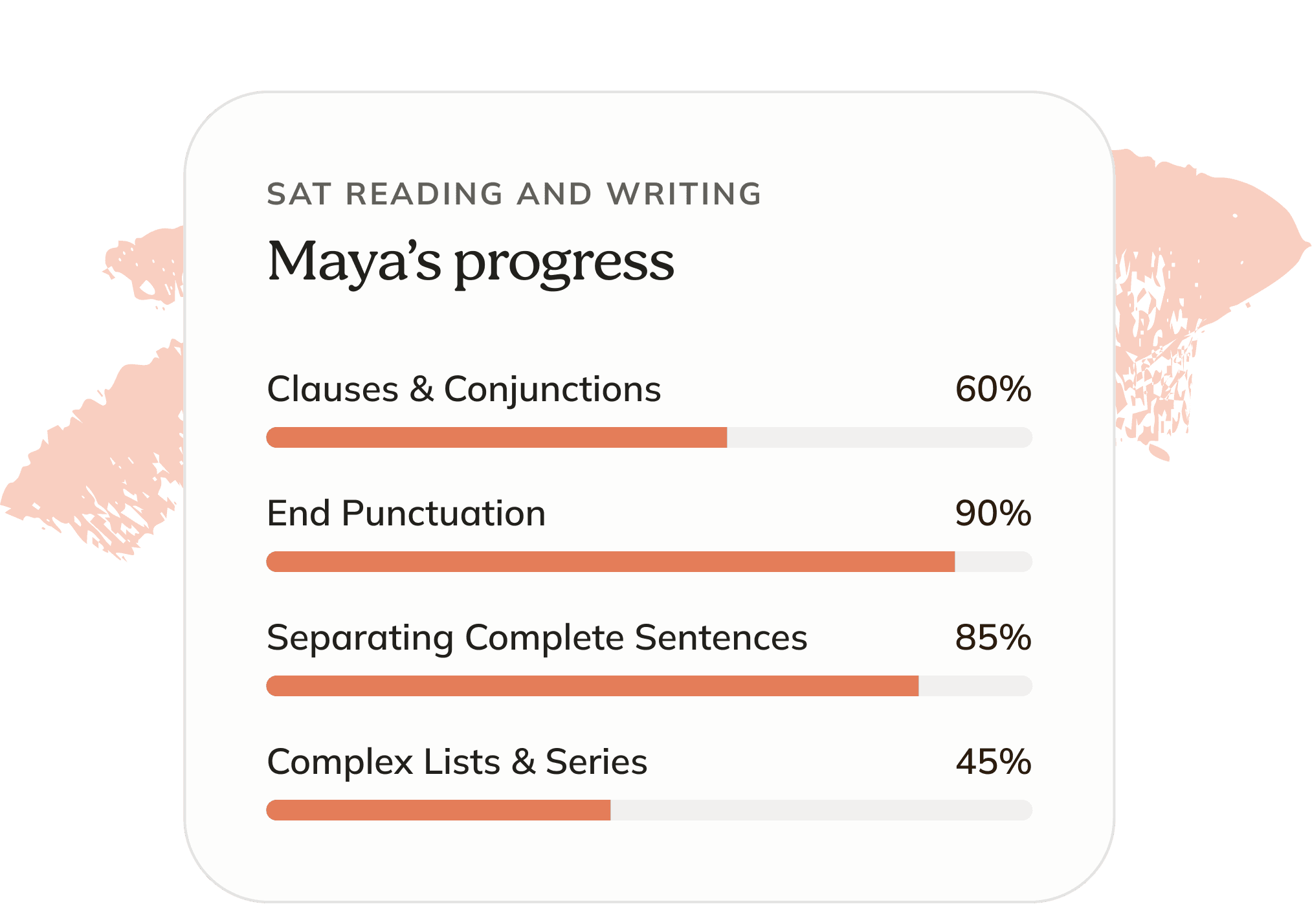
We break all subjects down into granular skills, then track mistakes and mastery on each one. Parents can see the whole picture at a glance.
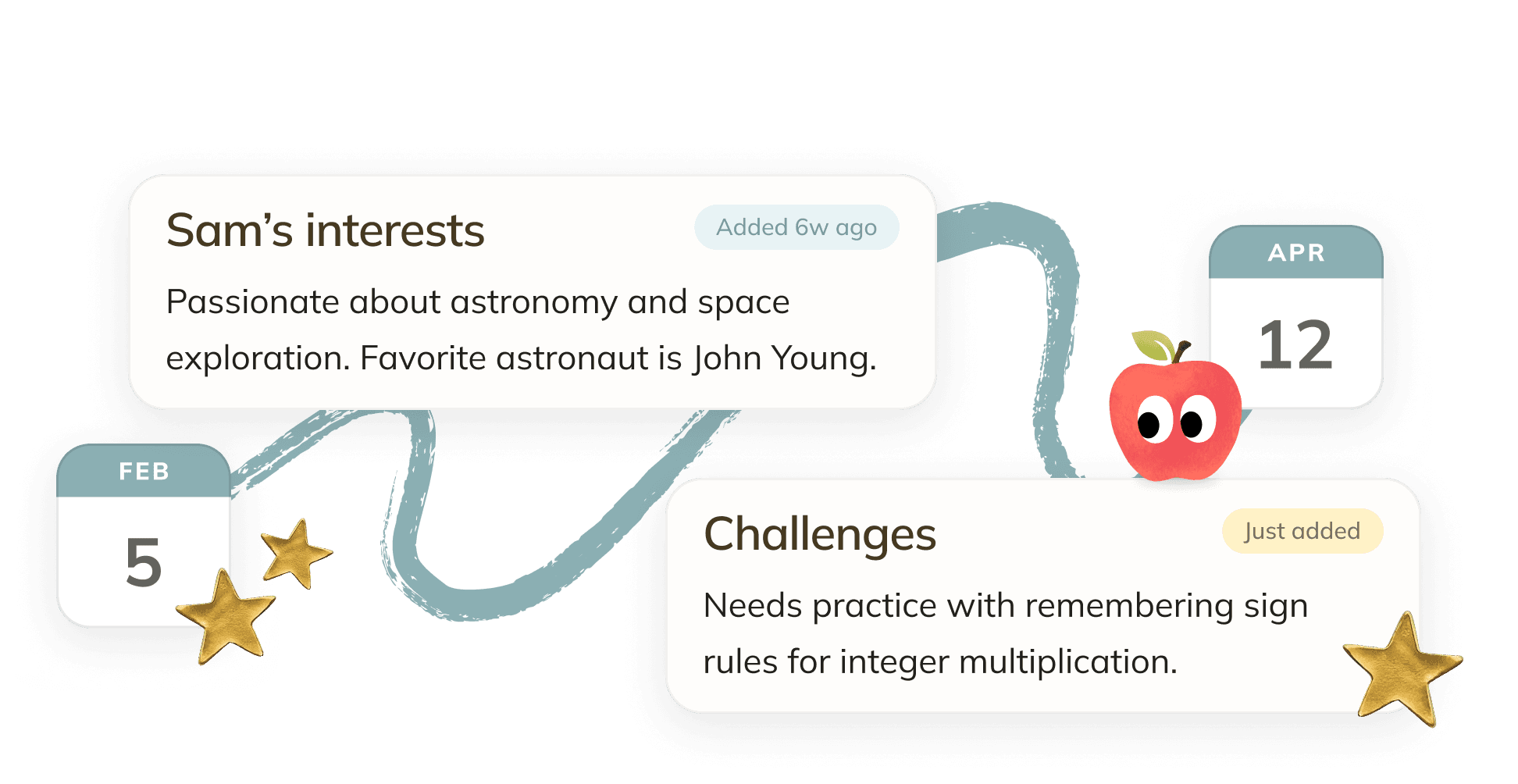
Aristotle remembers every session: what you’ve covered, where you got stuck, how you like things explained. It picks up right where you left off.
The curriculum
Aristotle is designed to always know what to teach at exactly the right time.
Sample curriculum
+ 7 more science subjects available
* Click a topic to see the skills inside
Earth Science Practices and Reference Tools
Plate Tectonics and Earth's Interior
Minerals, Rocks, and the Rock Cycle
Volcanoes, Earthquakes, and Crustal Deformation
Geologic Time, Earth History, and Life
Weathering, Water, and Landscapes
Oceans, Coasts, and Ice
Atmosphere, Weather, and Climate
Resources, Hazards, and Human Sustainability
Space Systems and Planet Earth
Earth Science tutoring curriculum256 skills across 10 units
Earth Science Practices and Reference Tools
Launches Earth Science through systems and representations: evidence practices, sphere interactions, models, maps, reference tables, measurements, and data displays that recur across every domain. Topics: Science Practices and Evidence, Earth Systems, Scale, and Interaction, Reference Tables, Units, and Formula Tools, Maps, Coordinates, and Profiles, Data Displays, Trends, and Reliability.
Plate Tectonics and Earth's Interior
Uses indirect evidence and visual models to reconstruct Earth's interior, plate motion, boundary settings, and long-term tectonic-system interactions. Topics: Interior Evidence and Layers, Evidence for Plate Tectonics, Plate Boundaries and Map Patterns, Plate Motion Mechanisms, Tectonic Features and Long-Term Change.
Minerals, Rocks, and the Rock Cycle
Treats minerals and rocks as evidence of composition, formation environment, and Earth-system cycling, not isolated vocabulary. Topics: Minerals, Igneous Processes and Rocks, Sediments and Sedimentary Rocks, Metamorphic Processes and Rocks, Rock Cycle and Earth Materials Synthesis.
Volcanoes, Earthquakes, and Crustal Deformation
Interprets volcanoes, earthquakes, deformation, and mountain building as event evidence plus hazard-risk reasoning after the tectonic frame is in place. Topics: Volcanoes, Earthquakes and Seismic Waves, Crustal Deformation and Mountains, Dynamic-Crust Hazard Synthesis.
Geologic Time, Earth History, and Life
Reconstructs deep time by combining relative and numerical dating, fossils, planetary evidence, continental change, and life-atmosphere-ocean-rock feedbacks. Topics: Relative Dating Principles, Correlation and Fossil Evidence, Numerical Dating and Time Scale, Earth History, Life, and System Change, New York and Regional Geologic History.
Weathering, Water, and Landscapes
Connects weathering, mass wasting, groundwater, streams, deserts, and landscape evolution as surface-system responses to water, gravity, climate, bedrock, and tectonics. Topics: Weathering, Erosion, and Soil, Mass Wasting, Streams, Rivers, and Floods, Hydrologic Cycle and Water Budgets, Groundwater and Karst, Landscapes, Wind, and Deserts.
Oceans, Coasts, and Ice
Uses profiles, maps, and sequences to reason about ocean basins and water, currents and tides, shoreline change, glaciers, ice-age evidence, and sea-level feedbacks. Topics: Ocean Basins and Ocean Water, Ocean Motion and Circulation, Coasts and Sea-Level Change, Glaciers and Glacial Landforms, Ice, Oceans, and Cryosphere Feedbacks.
Atmosphere, Weather, and Climate
Connects atmospheric energy and weather maps with climate evidence: variables and instruments, storms, forecasting, controls, paleoclimate, recent change, models, and feedbacks. Topics: Atmospheric Structure and Energy, Weather Variables, Instruments, and Maps, Air Masses, Fronts, and Forecasting, Severe Weather, Climate Systems and Change.
Resources, Hazards, and Human Sustainability
Uses maps, data, and tradeoff models to reason about resources, hazards, human impacts, climate responses, engineering constraints, and sustainability decisions. Topics: Natural Resources and Energy, Human Impacts on Earth Systems, Natural Hazards and Risk, Engineering Solutions and Tradeoffs, Sustainability and Global Change Synthesis.
Space Systems and Planet Earth
Closes the course by using evidence from light, spectra, H-R diagrams, orbits, planetary surfaces, and Earth-Sun-Moon geometry to place Earth in cosmic context. Topics: Universe Evidence, Stars, Solar System Motions and Objects, Earth-Sun Cycles, Moon, Eclipses, and Tides.
My son told me yesterday that we should cancel his human tutor, because Aristotle is doing a better job. The human tutor was $250/hour.

A few things you might wonder before getting started.
Aristotle's earth science course maps 256 individually tracked skills across 50 topics: plate tectonics and Earth's interior, minerals and the rock cycle, earthquakes and volcanoes, geologic time, weathering and water, oceans and ice, weather and climate, natural resources and hazards, and space systems. The tutor always knows what your child has mastered and what comes next.
Check out our most recent blog posts.
This could be you
For homework, supporting your child, or anything you’ve always wanted to know more about, Aristotle makes it easy for anyone to learn out loud.