State standards
Every geometry skill is aligned to Common Core standards, including the transformations-based approach most schools now teach, so tutoring matches what your child is graded on.

Grades 9–12
Pioneered by Stanford AI researchers and learning scientists, Aristotle is the world's first voice-based AI geometry tutor. From first proofs through circles and trigonometry, Aristotle has improved thousands of grades over 22% within a week.
Trusted by families at
















Fits your child's geometry class
Every geometry skill is aligned to Common Core standards, including the transformations-based approach most schools now teach, so tutoring matches what your child is graded on.
Share the syllabus or textbook and sessions follow your child's actual class, whether that's public, private, or homeschool.
Working toward a placement exam, an honors class, or getting a grade up? Aristotle builds the path backwards from your goal.
Features
Talk things through, work side by side, and come back next time to a tutor who remembers where you left off.
Ask questions out loud, hear explanations in Aristotle’s voice, and interrupt whenever you need to.
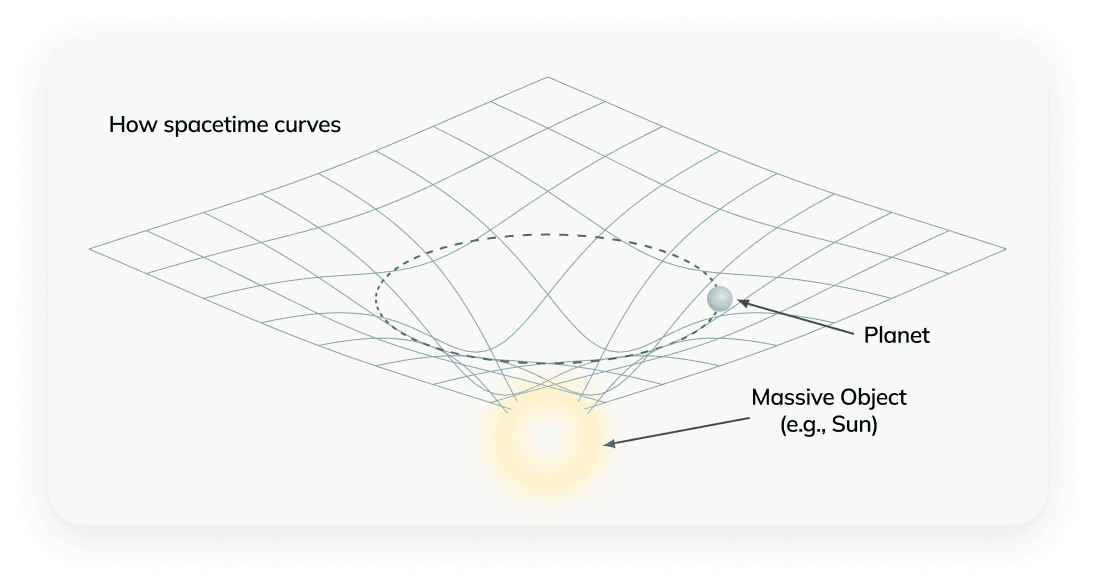
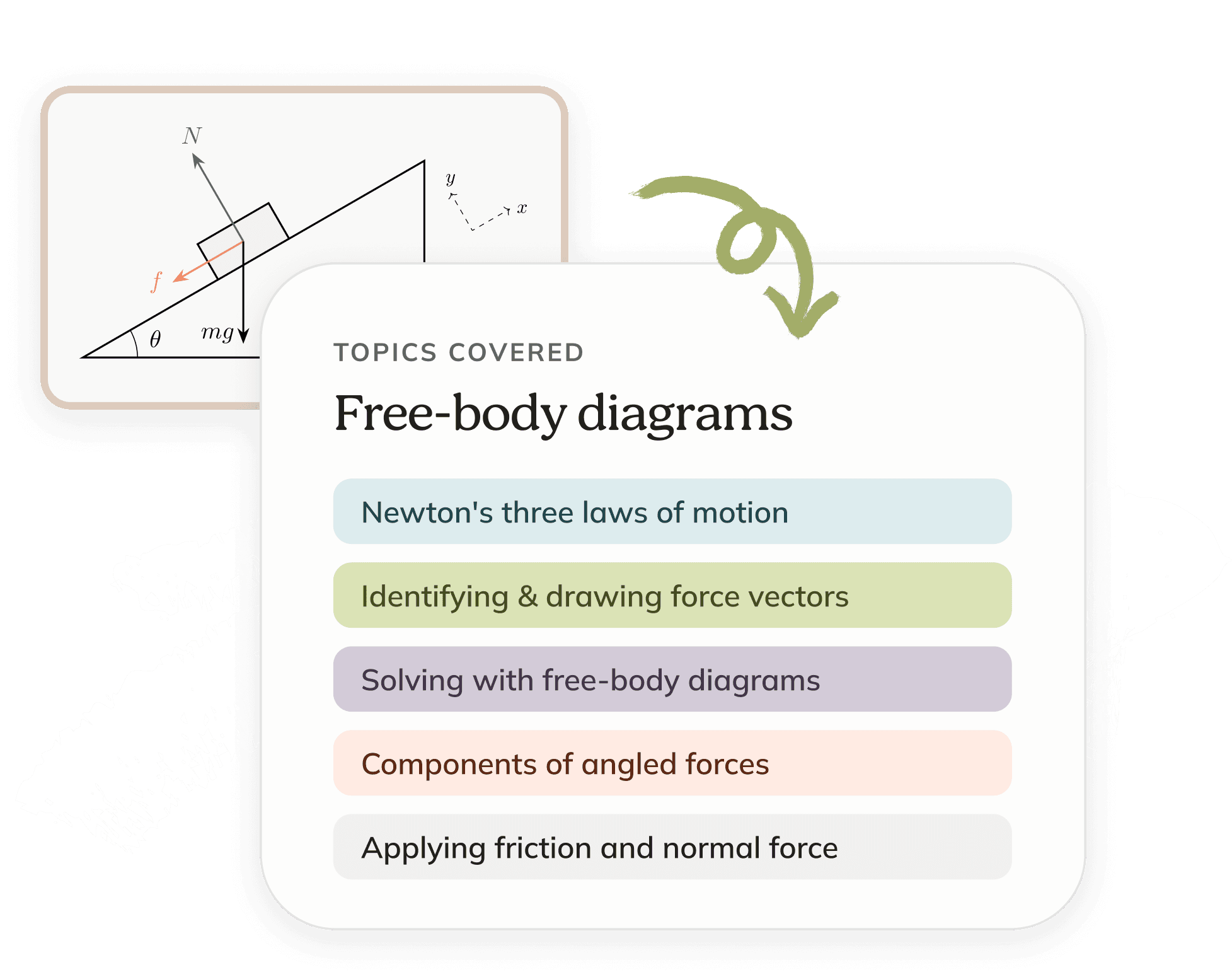
Aristotle draws steps, diagrams, and images to help you learn visually.
Get practice problems tailored to the exact topics you’re struggling with.
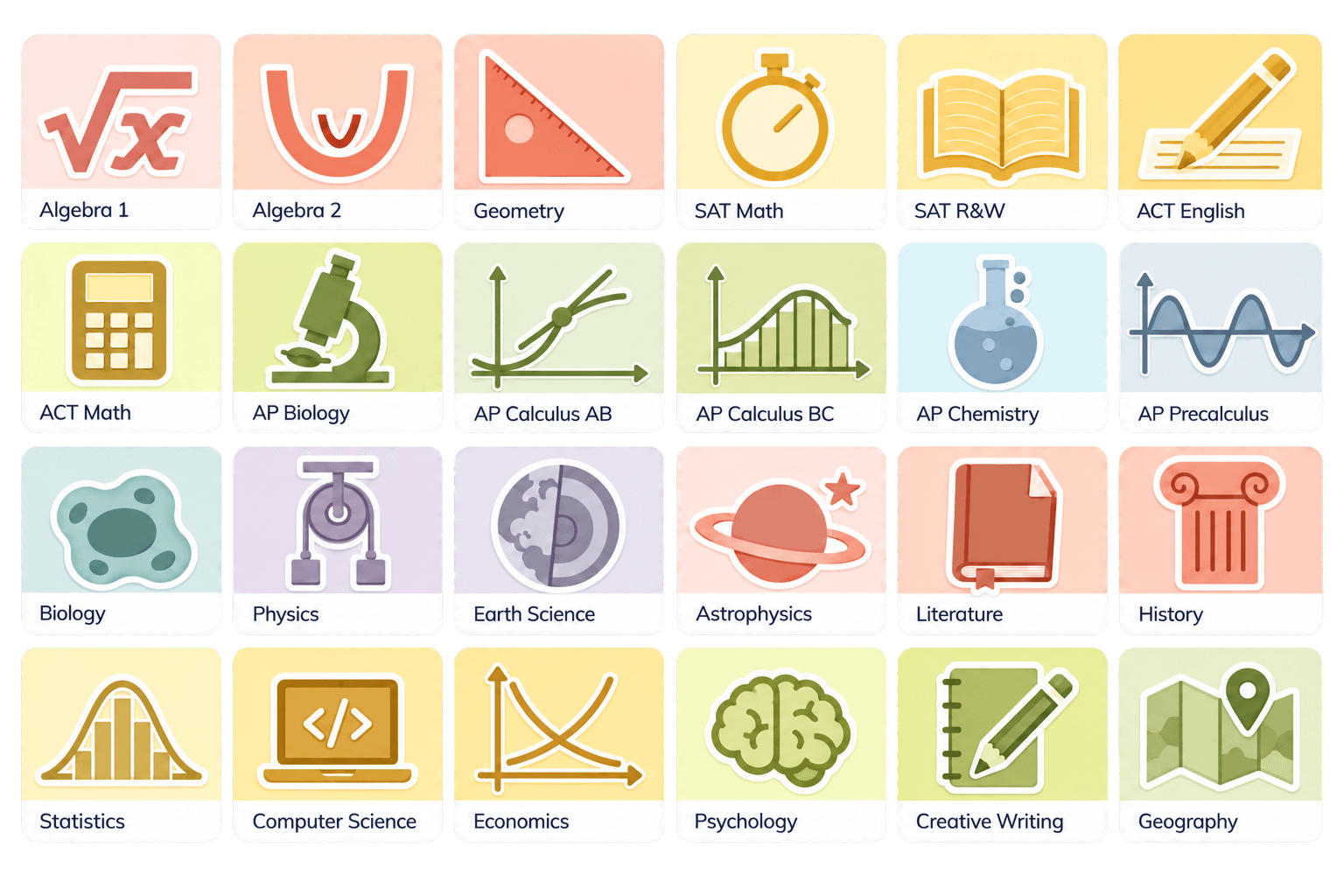
From middle-school math to AP exams to SAT/ACT prep. We also build custom plans matched to state standards and specific courses.
Revisit session summaries, session whiteboards, and uploads in one place.
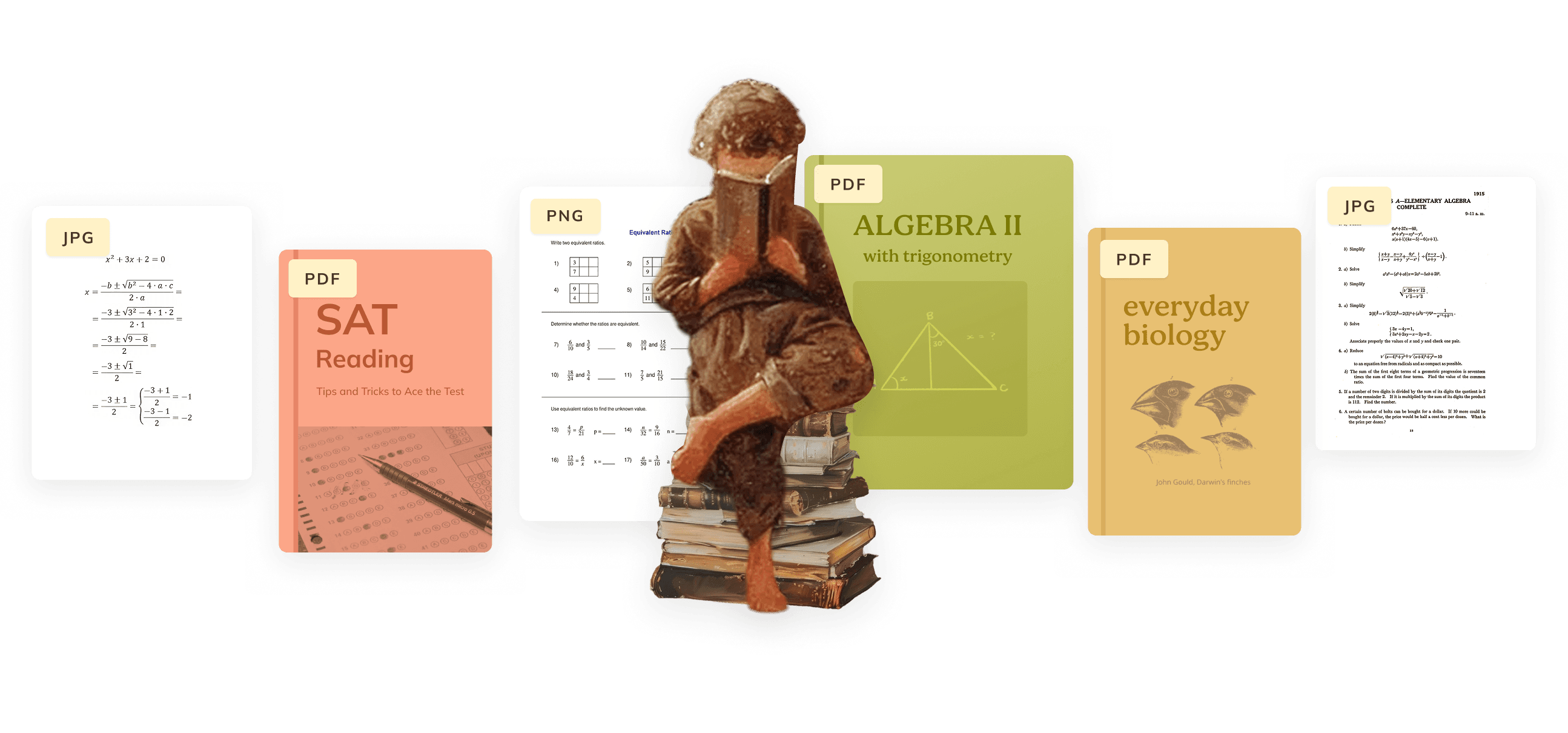
Aristotle can read and navigate any PDFs and images with the learner. That includes textbooks with hundreds of pages!
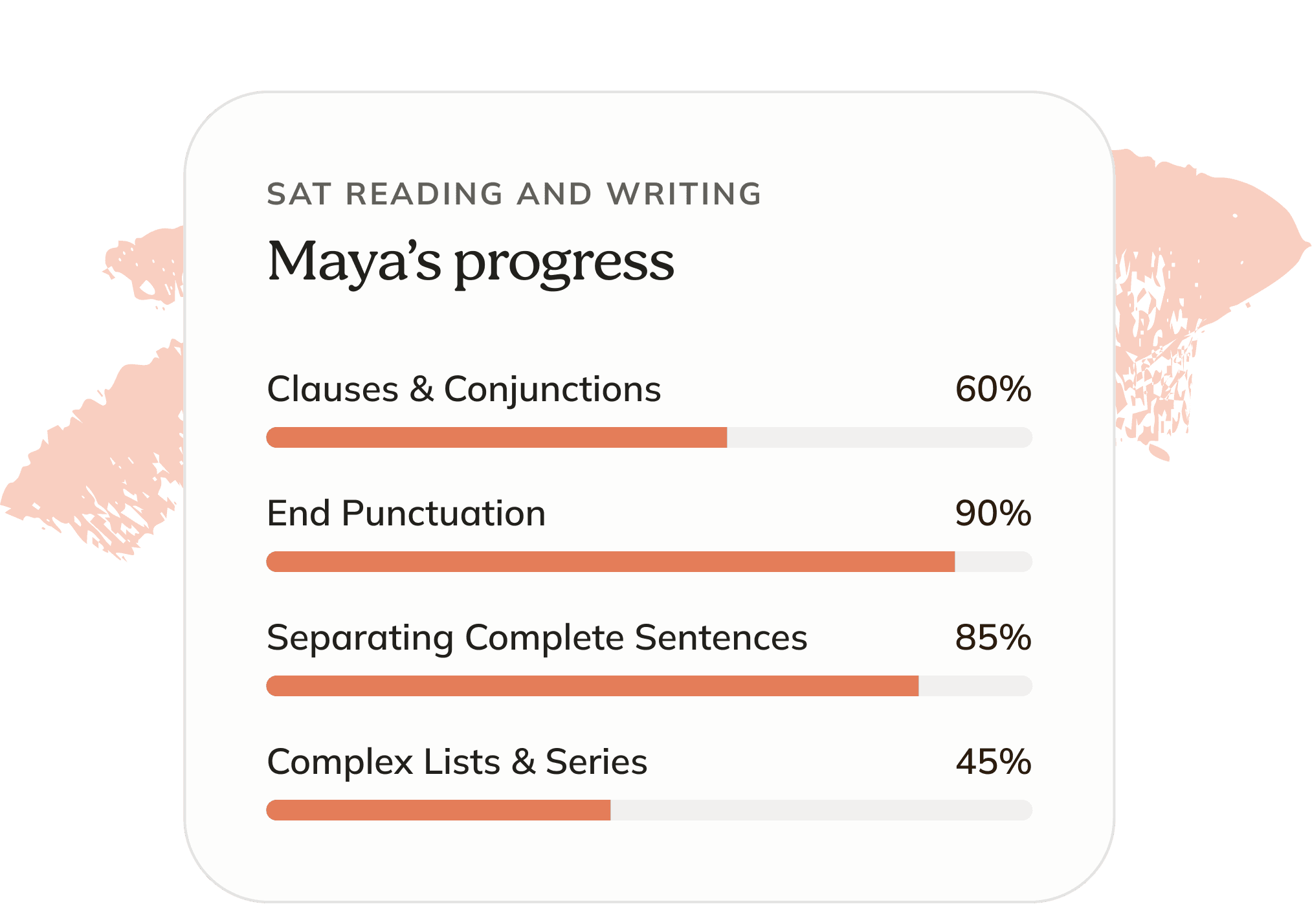
We break all subjects down into granular skills, then track mistakes and mastery on each one. Parents can see the whole picture at a glance.
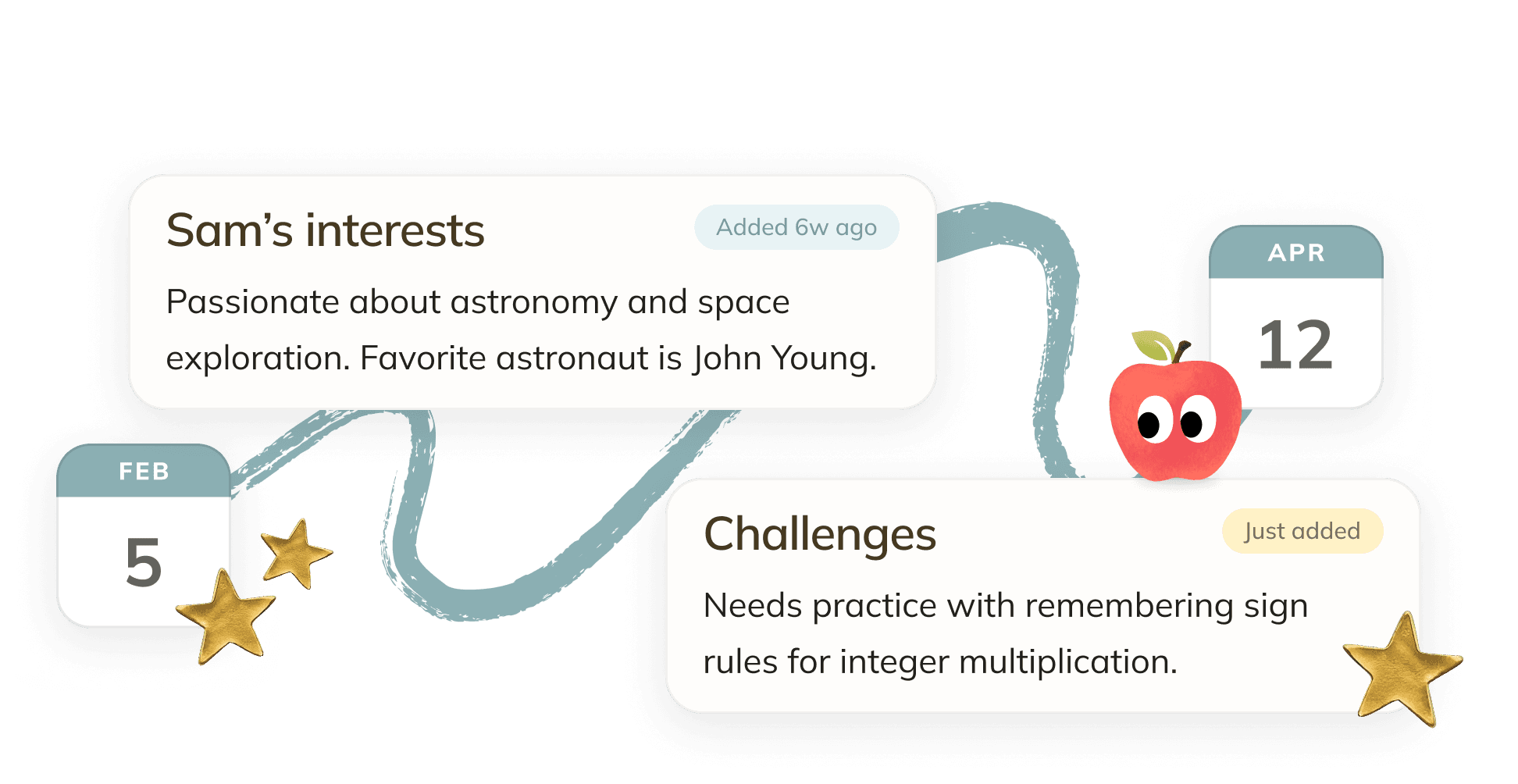
Aristotle remembers every session: what you’ve covered, where you got stuck, how you like things explained. It picks up right where you left off.
The curriculum
Aristotle is designed to always know what to teach at exactly the right time.
Sample curriculum
+ 9 more math subjects available
* Click a topic to see the skills inside
Foundations of Geometry
Reasoning and Proof
Parallel and Perpendicular Lines
Transformations
Triangle Congruence
Relationships in Triangles
Quadrilaterals and Polygons
Similarity
Right Triangles and Trigonometry
Circles
Coordinate Geometry
Solid Geometry and Measurement
Probability
Geometry tutoring curriculum194 skills across 13 units
Foundations of Geometry
Lean on-ramp for the course: precise definitions and notation for points, lines, planes, segments, rays, and angles; segment and angle measurement and addition; coordinate midpoint and distance tools; angle pairs; and the core compass-and-straightedge tool constructions of the cross-cutting geo.construct.* family. Topics: Definitions and Notation, Segment Measurement, Angle Measurement, Angle Pairs, Coordinate Tools: Distance and Midpoint, Core Constructions.
Reasoning and Proof
Proof grammar practiced on easy content: conditional statements and their logical equivalents, inductive versus deductive reasoning, postulates and diagram conventions, and proof formats applied to algebraic, segment, and angle arguments. Topics: Conditional Statements and Logic, Proof Foundations and Formats.
Parallel and Perpendicular Lines
Transversal angle relationships and their proofs, criteria for proving lines parallel or perpendicular, and the coordinate side: slope criteria and equations of parallel and perpendicular lines, placed here with their conceptual basis ahead of the late Coordinate Geometry unit. Topics: Angles Formed by Transversals, Proving Lines Parallel, Perpendicular Lines, Slope Criteria and Equations of Lines.
Transformations
Rigid motions only: performing and describing translations, reflections, and rotations, the properties they preserve, compositions, symmetry, and congruence defined by rigid motions. Topics: Performing and Describing Rigid Motions, Compositions of Rigid Motions, Symmetry, Congruence via Rigid Motions.
Triangle Congruence
The first major synthesis: triangle angle theorems, congruence criteria (SSS, SAS, ASA, AAS, HL) justified by rigid motions, isosceles and equilateral triangle theorems, and congruence proofs with CPCTC. Topics: Triangle Angle Theorems, Congruence Criteria, Congruence Proofs.
Relationships in Triangles
Perpendicular and angle bisectors as loci, the four classical triangle centers, the midsegment theorem, and triangle inequality reasoning including the hinge theorem. Topics: Bisectors as Loci, Triangle Centers, Midsegments, Triangle Inequalities.
Quadrilaterals and Polygons
Polygon angle sums, parallelogram properties and proofs, special parallelograms, trapezoids and kites, and classification within the quadrilateral hierarchy. Topics: Polygon Angle Sums, Parallelograms, Rectangles, Rhombi, and Squares, Trapezoids and Kites, The Quadrilateral Hierarchy.
Similarity
The central relation changes from congruence to proportionality: dilations and their properties open the unit, then similarity defined via transformations, the AA/SSS/SAS criteria, proportionality theorems, and similar right triangles with geometric mean as the bridge into trigonometry. Topics: Dilations, Similar Figures and Criteria, Proportionality Theorems, Similar Right Triangles and Geometric Mean.
Right Triangles and Trigonometry
Pythagorean theorem and converse, special right triangles, and right-triangle trigonometry built on similarity, with elevation and depression applications. Topics: Pythagorean Theorem, Special Right Triangles, Right-Triangle Trigonometry, Trigonometry Beyond Right Triangles.
Circles
Central and inscribed angle relationships, chords, tangents, secants, segment products, circle proofs, arc length, sector area, and the radian connection, plus the circle constructions of the cross-cutting geo.construct.* family. Topics: Circle Vocabulary and Similarity, Angle and Arc Relationships, Chords, Tangents, and Segment Lengths, Circle Proofs, Arc Length, Sectors, and Radians, Circle Constructions.
Coordinate Geometry
The coordinate-methods unit: circle equations derived from the Pythagorean theorem, parabola focus and directrix work, partitioning directed segments, perimeter and area in the plane, and coordinate proofs that combine these tools with earlier figure properties. Topics: Equations of Circles, Parabolas from Focus and Directrix, Partitioning Segments, Coordinate Computations with Figures, Coordinate Proofs.
Solid Geometry and Measurement
Two-dimensional area including regular polygons and composites, cross sections and solids of revolution, volume formulas with informal derivations (including Cavalieri's principle), similar-solid scaling, and density and design modeling as the course's applications capstone. Topics: Area of Polygons and Composite Figures, Cross Sections and Solids of Revolution, Volume, Modeling with Geometry.
Probability
Conditional probability with sample spaces, events, independence, two-way tables, and the addition rule, plus geometric probability and counting methods as further extensions. Topics: Sample Spaces and Events, Independence and Conditional Probability, Geometric Probability and Counting.
My son told me yesterday that we should cancel his human tutor, because Aristotle is doing a better job. The human tutor was $250/hour.

A few things you might wonder before getting started.
The full high school geometry sequence: 194 individually tracked skills across 54 topics, from foundations and proof through parallel lines, transformations, triangle congruence, similarity, right triangle trigonometry, circles, coordinate geometry, and solid geometry. Aristotle always knows which skills your child has mastered and what comes next, so every session picks up exactly where the last one ended.
Check out our most recent blog posts.

This could be you
For homework, supporting your child, or anything you’ve always wanted to know more about, Aristotle makes it easy for anyone to learn out loud.